
Proton has released Lumo Desktop for Windows, macOS, and Linux, giving its AI assistant access to local files and services such as Proton Mail and Google Drive.
The app can also run scheduled tasks and reuse instructions across chats.
Proton AI engineering director Eamonn Maguire described the launch as the first release under the company’s pledge to share AI tools developed for its own staff, and said it is making the source code publicly available for inspection.
The Swiss company behind Proton Mail and Proton VPN says Lumo uses zero-access encryption for saved chat histories, which prevents Proton from reading them. The company also says it does not use conversations or data obtained from connected apps and files to train models or personalize ads.
What Lumo Desktop can access
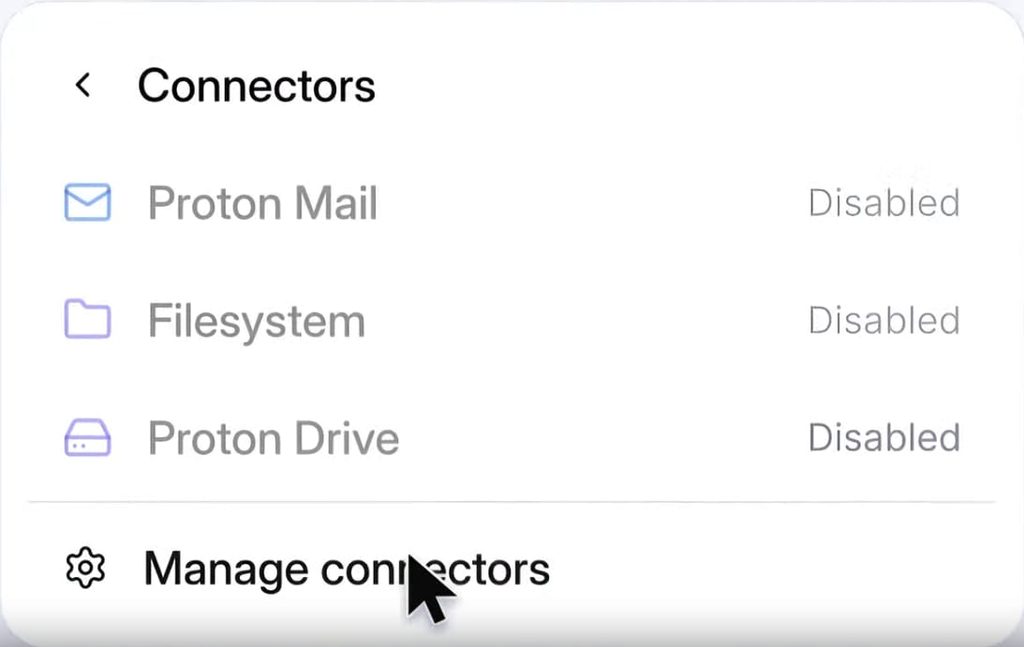
Connectors can give Lumo access to the local filesystem, shell commands, and web page content. The app supports Proton Mail through Proton Mail Bridge, along with Google Drive, Jira, Confluence, and local or remote servers that use the Model Context Protocol (MCP).
Proton
Users can allow, block, or require approval for individual actions. For example, Lumo can be allowed to search an inbox automatically, required to ask before sending a message, and blocked from deleting messages. Once configured, connected tools are enabled in chats by default and can be switched off from a conversation’s Tools menu.
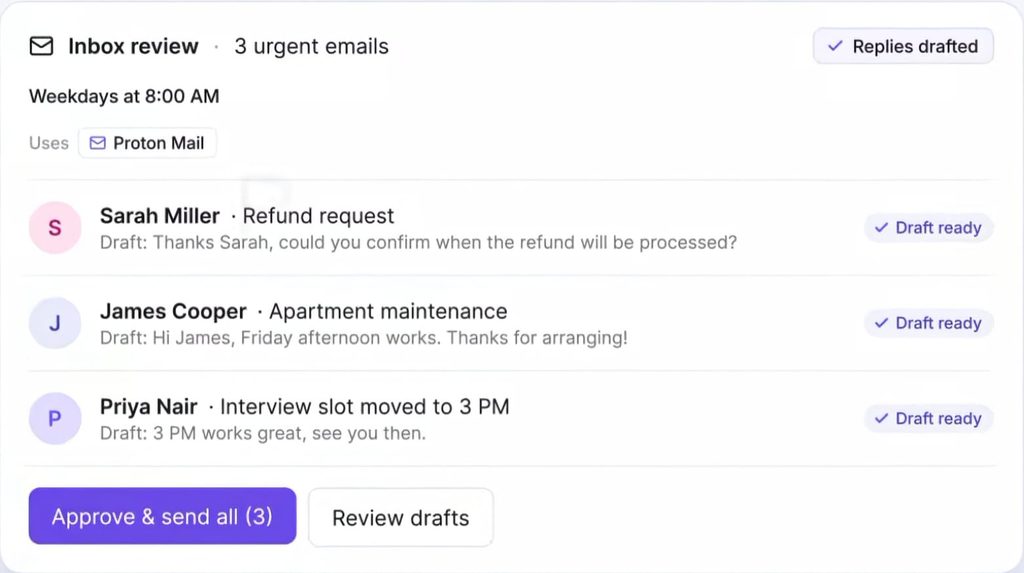
Schedules can run once or recur, for example, to compile a weekly inbox summary. Each scheduled task has its own permissions. Skills store reusable instructions, templates, and reference files that Lumo can apply automatically when relevant. Proton will migrate existing Custom Lumos to Skills automatically.
Proton
Proton’s AI pledge
Proton pledged in late October to open-source several internal AI tools, including more capable versions of Lumo, and explain how it reviews software and where staff may use AI. The commitments followed media reporting on controversial staff interviews about AI adoption that could affect roles and continued employment at the firm.
In a separate November 10 post, Proton said AI reviewers help flag code defects before changes are merged and that human approval is still required for every change. It also disclosed that it uses non-public models from OpenAI and Anthropic for threat analysis and code scanning, supplying them with source code and threat intelligence while withholding customer content.
Lumo Desktop is available from Proton’s download page and requires a Proton account. Users can review what each connector is allowed to do under Customize in the app’s sidebar.



Leave a Reply