
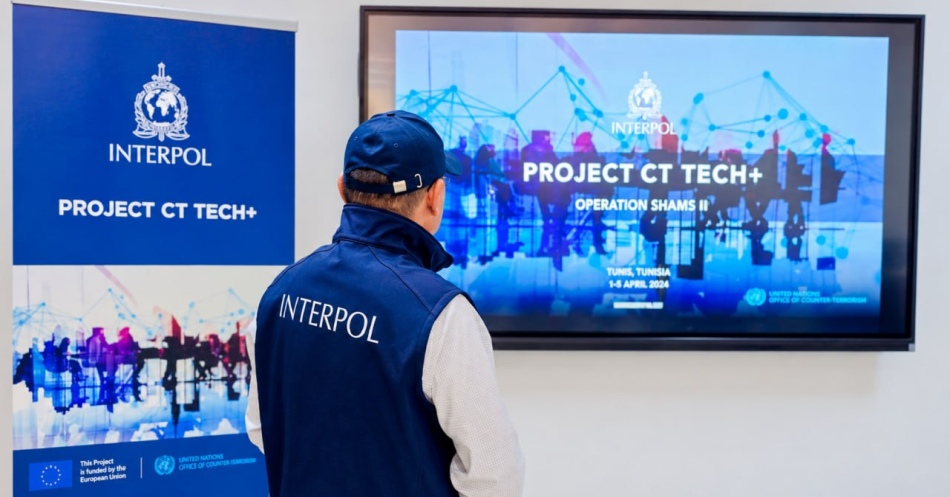
INTERPOL says an international counter-terrorism operation used artificial intelligence and facial recognition technology to identify 126 suspected foreign terrorist fighters from imagery collected from jihadist groups online.
Operation Shams II, coordinated by INTERPOL between June 1 and June 5, 2026, brought together 28 law enforcement officers and specialists from 11 countries in Tunis, Tunisia. During the five-day operation, investigators extracted 108,076 facial images from videos, photographs, and other visual material published by jihadist organizations.
According to INTERPOL, programmed AI agents and AI-generated scripts automated parts of the collection and analysis process, including image deduplication and quality checks. The initial dataset was reduced to 6,362 unique, high-quality facial images that could then be submitted to INTERPOL’s Facial Recognition System for comparison.
The law enforcement organization said all AI-generated results produced during Operation Shams II were reviewed and verified by trained officers and analysts under its Rules on the Processing of Data, an important safeguard given the potential for facial recognition systems to produce false or ambiguous matches.
Investigators also incorporated a separate intelligence dataset supplied by INTERPOL’s National Central Bureau in Baghdad, Iraq. The dataset contained information relating to terrorism suspects and contributed hundreds of additional images for extraction and processing.
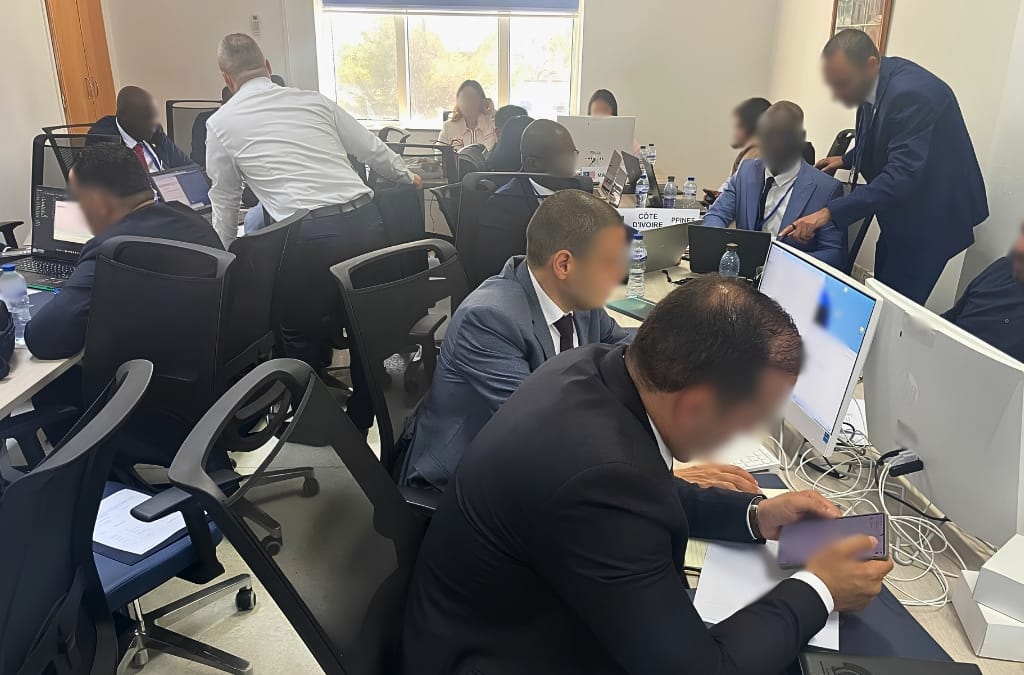
INTERPOL
So far, INTERPOL says the operation has resulted in the identification of 126 foreign terrorists. The resulting matches are being used to enrich existing intelligence records with information that may include suspected locations and links to other individuals.
The collected data is now being incorporated into INTERPOL databases, while thousands of images remain to be processed. The agency said additional comparisons could generate further investigative leads. Some of those leads are already being used in judicial proceedings in participating countries.
Operation Shams II also extended beyond facial recognition. Investigators used cryptocurrency tracing tools to examine suspected terrorist financing activity, leading to three urgent requests sent to a Virtual Asset Service Provider seeking customer information linked to potentially illicit transactions.
Operation Shams II shows how AI is being used to process biometric evidence at a scale that would be difficult to handle manually. INTERPOL says all AI-generated matches were reviewed by trained officers, but the operation also demonstrates the growing role of facial recognition in cross-border law enforcement investigations.



Leave a Reply