

Opera is rolling out an update to its built-in VPN that can automatically activate when its desktop browser detects a public or unsecured Wi-Fi network.
The feature remains opt-in and is initially becoming available to Opera users in the United States and France.
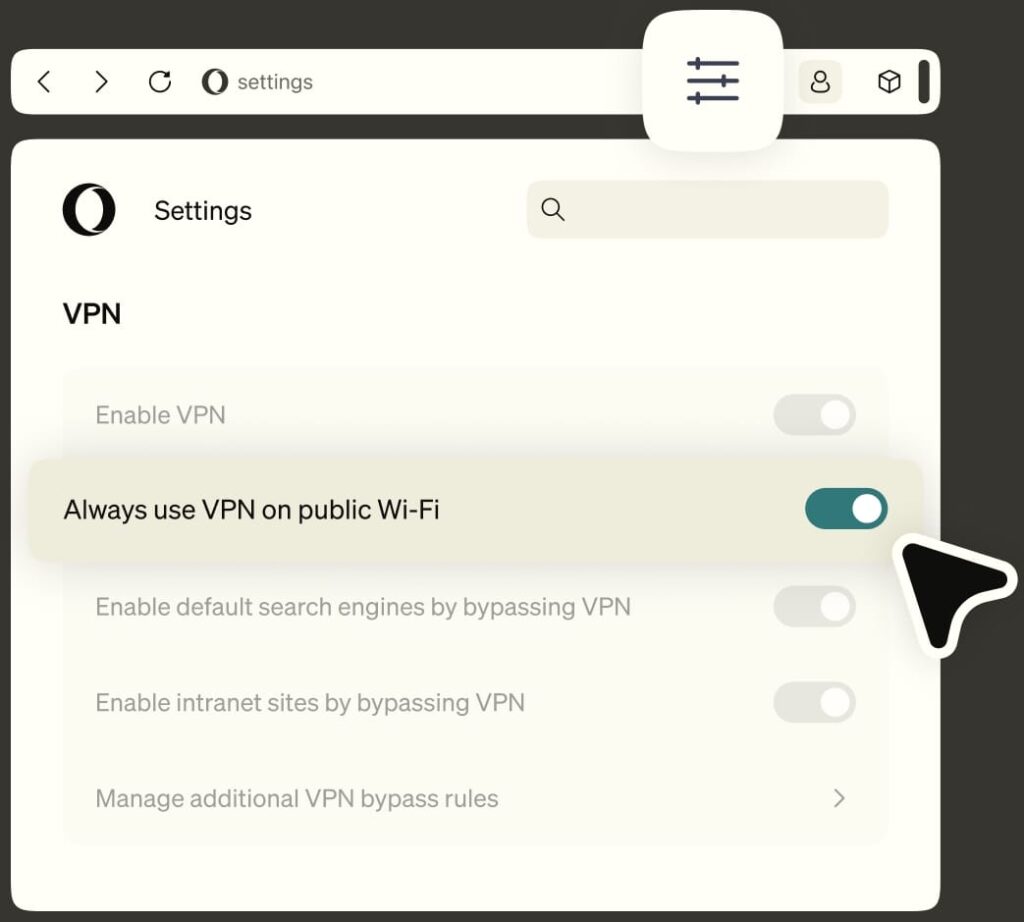
The change is designed to remove the need for users to manually enable VPN protection when connecting from locations such as airports, cafes, campuses, and libraries. Once enabled in Opera's settings, the browser can detect an unsecured or public network and automatically switch on its integrated VPN.
Opera has offered its browser VPN since 2016. The service is free, does not impose data caps, and does not require users to create an account. Opera also says its VPN follows a no-logs policy and notes that the service has been independently audited by Deloitte.
The Norway-based company, founded in 1995, develops desktop and mobile browsers used by hundreds of millions of people. Its VPN is part of a broader set of built-in privacy tools that also includes native ad and tracker blocking.
Opera says the automatic activation feature is intended specifically to address the risks associated with public Wi-Fi, where unprotected network traffic can potentially be exposed to snooping or interception. Importantly, automatic activation is not enabled without user consent: users must opt into the feature and can disable it from the browser's settings.
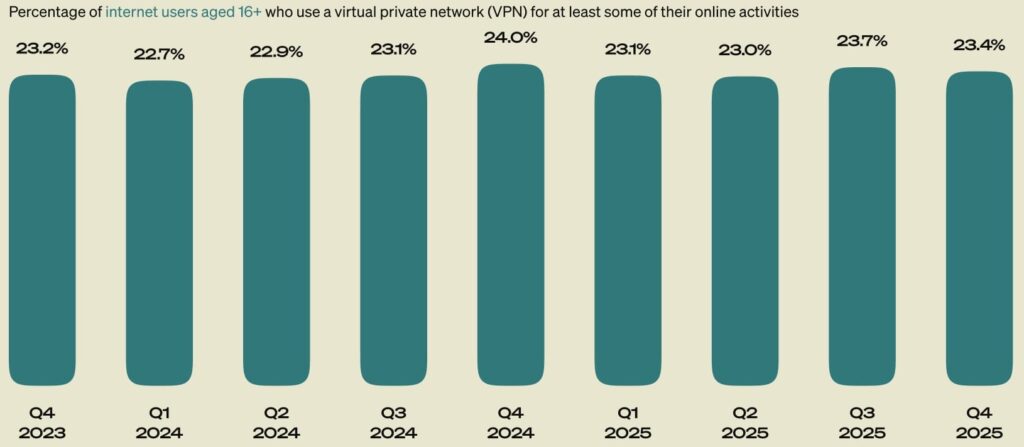
According to data cited by Opera from We Are Social's Digital 2026 Mid-Year Global Update Report, only 23% of internet users worldwide used a VPN for at least some online activities as of the fourth quarter of 2025. The company is positioning automatic activation as a way to make VPN use less dependent on users remembering to switch protection on themselves.
The automatic public Wi-Fi protection begins rolling out to Opera desktop users in the US and France from September 24, 2026.



Leave a Reply