

Proton says VPN demand spiked in 62 countries during 2025 as governments expanded internet shutdowns, platform blocks, and age-check rules.
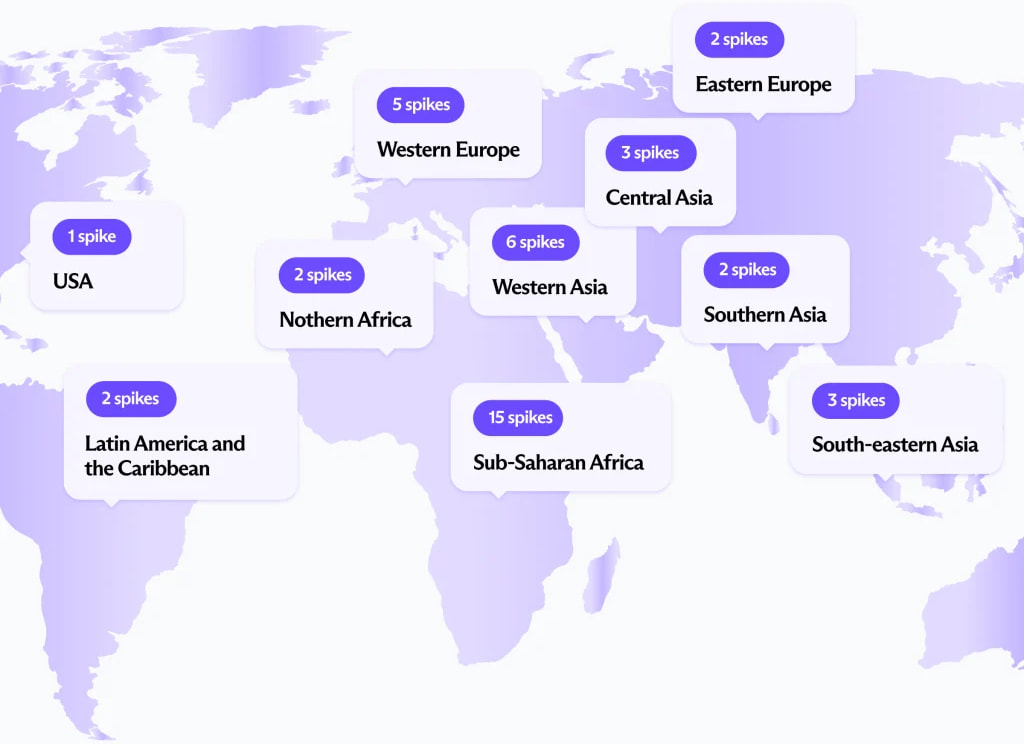
In a year-end censorship report, Proton VPN said it recorded sudden signup spikes of more than 100% above normal levels in 62 countries last year. According to the VPN vendor, 10 countries saw at least one spike above 1,000%, six exceeded 5,000%, and four passed 10,000%.
The most dramatic examples came from countries facing blackouts tied to conflict or political control. Proton says Iran imposed a near-total internet shutdown on June 18 during the Iran-Israel war, cutting international access for three days and leaving only the country’s domestic intranet and approved services reachable. After limited connectivity returned and a ceasefire followed on June 24, Proton recorded a 5,500% signup surge by June 26.
Afghanistan saw an even larger increase. Proton says Taliban authorities triggered a 24-hour internet blackout on September 29, reportedly on moral grounds, while broader restrictions on social media continued afterward. That event pushed Proton VPN signups up by 35,000%, one of the largest jumps in the report. In Tanzania, a five-day shutdown during a disputed October general election was followed by a 2,000% rise, while Papua New Guinea’s temporary Facebook block in March coincided with a 14,000% spike.
Proton’s report also highlights how legal and regulatory measures in democratic countries pushed users toward VPNs. In the UK, Proton links a 1,200% rise in signups to the Online Safety Act provisions that began requiring age verification on user-generated content sites from July 25. The concern for many users was not just access, but the growing demand to hand over government IDs or biometric data to visit legal websites, especially amid several high-profile data exposure incidents.
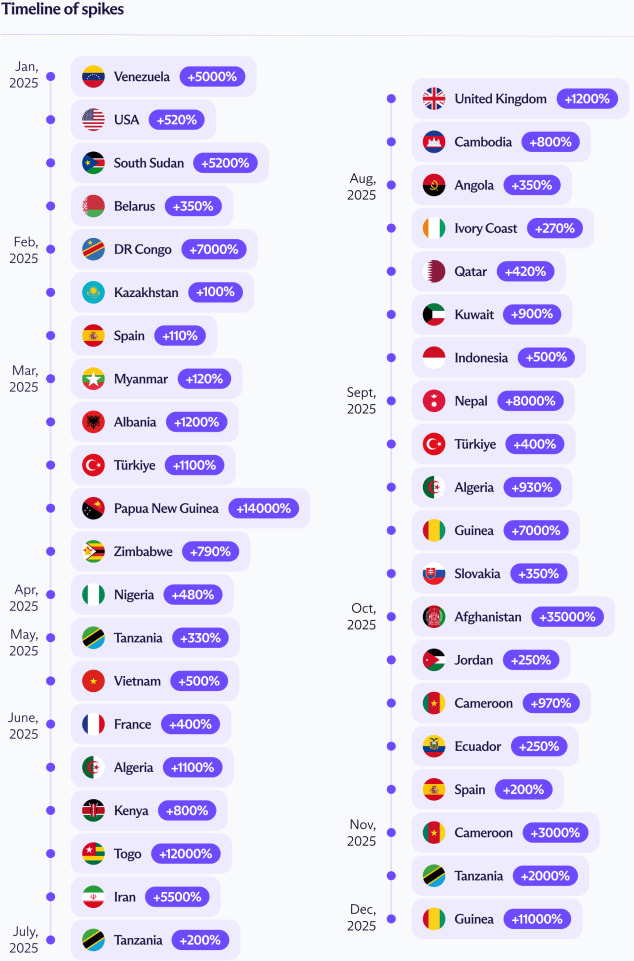
Spain is another example of a more indirect form of internet restriction. Proton says court-backed anti-piracy blocks requested by La Liga led to overblocking because some targeted IP addresses were shared by Cloudflare infrastructure, affecting legitimate sites alongside pirate services. Rather than a single dramatic event, the company describes recurring signup spikes throughout the year, including in February and October, suggesting users were trying to reach ordinary websites caught up in collateral blocking.
In the US, Proton recorded a 520% jump on January 19, 2025, when TikTok and CapCut briefly went offline, and TikTok disappeared from app stores during the enforcement of the federal divest-or-ban law. Although enforcement was later delayed, the episode showed how fast consumer-facing restrictions can drive demand for workarounds.



Leave a Reply