
Your data is likely already floating around the dark web thanks to that one “secure” site you used in 2018. LifeLock has been the big name in the game since 2005, but in 2026, brand fame doesn’t always equal a bulletproof digital shield. Is it still the MVP of identity theft protection, or are you just paying for a fancy logo while there are apps that do the same work for less?
I’ve spent weeks poking around the latest dashboard, triggering alerts and testing their “million-dollar” protection package to see if it actually holds water. If you’re mainly wondering whether it’s worth paying for, you can jump ahead to see if LifeLock is worth it in 2026.
| Website | LifeLock.Norton.com |
| Pricing range | $7.50 – $38.99/moth (first-year introductory rates) |
| Identity theft insurance | Up to $3M per adult (includes $1M for stolen funds, $1M for personal expenses, and $1M for legal fees) |
| Scam protection scope | AI-powered “Scam Protection Pro” including deepfake detection and up to $10,000 reimbursement for impostor/phishing scams |
| Credit monitoring | 1-bureau (Equifax) on lower tiers; 3-bureau (Experian, Equifax, TransUnion) on Advanced/Ultimate tiers |
| Data removal | Fully automated (higher tiers automatically request removal from data broker sites) |
| Extra security and privacy tools | Bundled Norton 360 (antivirus, VPN, password manager, and 500GB cloud backup) |
| Best deal | 52% Off Coupon > |
LifeLock Coupon:
Get 52% Off LifeLock subscription plans with the coupon below:
(Coupon is applied automatically; 60-day money-back guarantee.)
Why trust my take?
I don’t just read the brochure. To get the facts, I:
- Live-test the alerts: I use “canary” data to see how fast LifeLock actually pings my phone when something looks fishy.
- Compare the “Big Three”: I stack LifeLock’s features directly against the top identity theft protection services such as Aura and IDShield to ensure the value is actually there.
- Analyze the fine print: I dig into the recovery insurance terms so you know exactly what’s covered before a crisis hits.
Identity theft is a nightmare, but choosing your protection shouldn’t be. Let’s dive into whether LifeLock is a digital fortress or just a very expensive alarm system.
LifeLock at a glance
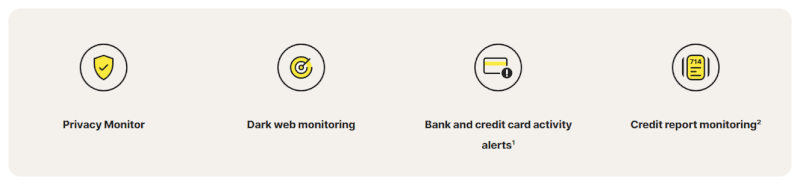
If you last looked at LifeLock a year or two ago, 2026 feels like a serious upgrade. Under Gen Digital (the parent company behind Norton 360), LifeLock has leaned hard into AI fraud defense and deeper financial protection.
New features for 2026:
- $3M insurance ceiling: Up to $3 million total coverage, split across stolen funds, personal expenses, and legal fees. No cap on the number of claims.
- AI-powered Scam Protection Pro: Includes deepfake detection, safe call, and safe email scanning to flag scam patterns before you engage.
- Automatic data broker removal: Higher tiers now remove your info from major people-search and data broker sites automatically.
- Synthetic identity detection: New algorithms catch blended real/fake identity fraud that traditional alerts often miss.
- Phone takeover monitoring: Alerts you if someone tries to port your number to a new device.
- Daily three-bureau monitoring: Tracks activity across Equifax, Experian, and TransUnion.
- Scam-specific reimbursement: Up to $10,000 for scam-related losses (separate from the main insurance pool).
Before you commit, here’s a quick look at where LifeLock really shines and where it still has a few rough edges:
LifeLock pros and cons
+ Pros
- Industry-leading $3M insurance shield
- Unlimited identity theft claims
- Superb US-based restoration support
- Tracks 401(k)s, investments, and home titles
- Bundled Norton 360 security (antivirus, VPN, and cloud backup)
- Advanced AI scam protection
- Unique synthetic identity detection
- One-click TransUnion credit lock
- Stolen wallet assistance
- Family plan insurance for kids
- 60-day money-back guarantee (with 1-year plans)
– Cons
- Steep second-year price jumps
- Confusing two-app system
- Complex and overwhelming tiers
- Mixed dark web results
- Murky security history
Launching LifeLock: The 5-minute setup
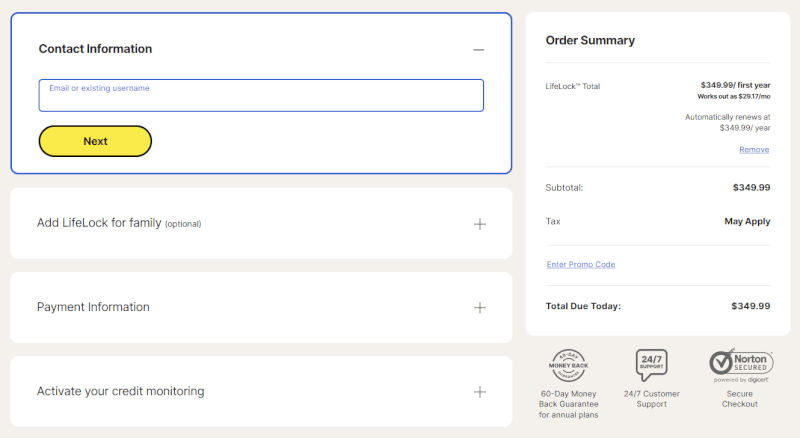
Registration is standard fare for the industry. You’ll hand over the “Big Four”: Full name, DOB, current address, and your SSN. Yes, it feels weird giving your SSN to a website, but they can’t monitor your identity without knowing who you are.
Here’s the setup checklist:
- Account creation: Standard email/password (please, use a unique one).
- Identity verification: You’ll answer those “Which of these cars did you own in 2014?” questions pulled from your credit file.
- The “optional” deep dive: Linking your bank accounts, 401(k), and credit cards.
- App deployment: Downloading the LifeLock mobile app for real-time pings.
- The Norton side-quest: Installing the antivirus and VPN on your devices.
Here is my biggest gripe as a tech geek:
- The LifeLock app: This is your command center for identity alerts, credit score snapshots, and the “lock” for your TransUnion file.
- The Norton 360 app: This handles your VPN, Wi-Fi security, and antivirus.
It’s annoying that these aren’t one single “super app” yet, but the Norton 360 dashboard does a decent job of bridging the two.
The basic signup takes 5 minutes, but comprehensive monitoring takes 45. If you want LifeLock to watch your savings account or catch a fake home title transfer, you have to manually link those accounts. It’s tedious, but it’s the only way to get your money’s worth.
Which plan is really worth your cash?
LifeLock’s pricing is a bit of a minefield. You’ve got “teaser” rates that look great on a landing page, but the renewal prices in year two can hit your wallet like a freight train. To make it simple: The more you have to lose (assets, home equity, 401k), the higher you need to climb the tier ladder.
| LifeLock plan | Credit bureaus coverage | Max insurance | Best for… |
| Standard | 1 (TransUnion) | $1.025M | Students and low-complexity |
| Advantage | 1 (monthly 3-bureau) | $1.1M | Active credit users |
| Ultimate Plus | 3 (daily) | $3M | Homeowners and high-net-worth |
LifeLock Standard: The budget-friendly entry
- Cost: $7.50–$9.99/month (year 1)
- The catch: You only get one-bureau credit monitoring (TransUnion).
- Verdict: It’s fine for basic data breach alerts, but it has massive blind spots. If a fraudster hits your Experian or Equifax report, this plan stays silent. The $25k stolen funds limit is also pretty thin for 2026.
LifeLock Advantage: The middle ground
- Cost: $14.99–$19.99/month (year 1)
- The upgrade: You get better bank account alerts and court records scanning.
- Verdict: A nice middle option if you’re looking for extra coverage without going all-in on the highest tier.
LifeLock Ultimate Plus: The digital fortress
- Cost: $29.99–$38.99/month (year 1)
- The power: This is where LifeLock beats most competitors.
- 3-Bureau monitoring: Daily updates from Equifax, Experian, and TransUnion.
- Investment protection: Monitors 401(k) and brokerage accounts.
- The $3M shield: $1M each for stolen funds, legal fees, and expenses.
If you own a home or have a significant retirement fund, this is the only tier truly worth the LifeLock brand name.
The pricing reality check
Here is the truth: LifeLock relies on auto-renewals. That $9.99/month “Standard” plan can easily jump to $17.99/month in year two. The Ultimate Plus plan can soar past $500/year upon renewal.
Features vs reality: What actually works?
Marketing brochures are great, but how does LifeLock actually behave when a hacker starts poking at your digital life? I put the suite through its paces to see where it’s a fortress and where the walls are a bit thin.
| LifeLock feature | The quick verdict |
| Pricing | $7.50–$38.99/month (introductory rates for year 1) |
| Alert speed | Under 60 seconds for high-priority identity events |
| Core strength | Massive $3M insurance on top tiers |
| Main drawback | Steep price increases (up to 55%+) upon second-year renewal |
| Best for… | Homeowners and high-net-worth individuals |
Lightning-fast alert speed
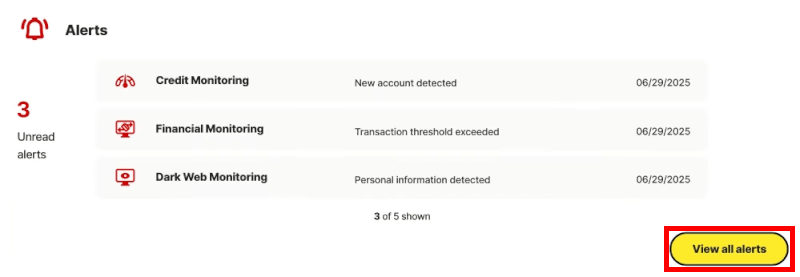
In testing, LifeLock is a speed demon. I simulated a USPS address change (a classic move for mail fraud), and the push notification hit my phone in less than a second.
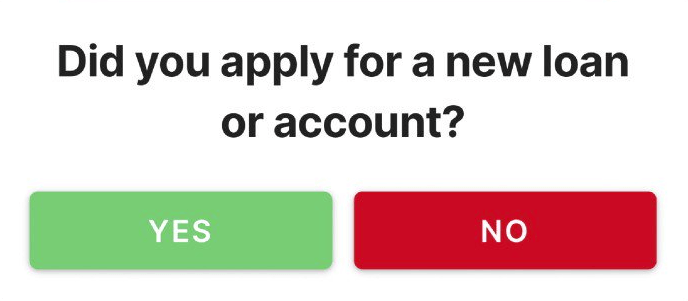
Why does it matter? Most identity theft is a “smash and grab.” If you don’t catch a payday loan application in the first five minutes, the money is already gone.
Unlike some apps that spam you with “safety tips” every morning, LifeLock stayed quiet until something actually happened. Minimal false positives mean you won’t start ignoring the alerts.
Dark web monitoring was a mixed bag
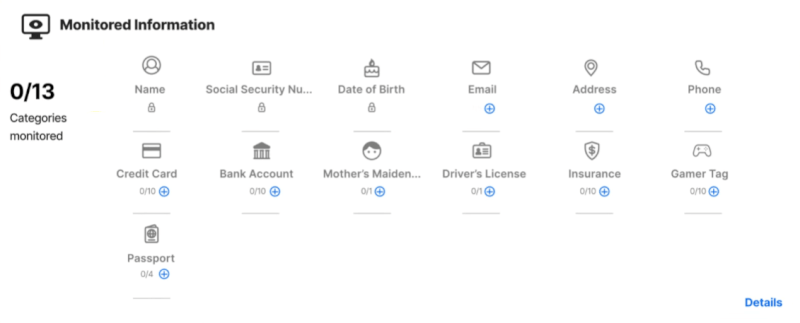
LifeLock does what you’d expect here. It keeps an eye on the sketchier corners of the internet, scanning underground forums, paste sites, and breach dumps for things like your SSN, email addresses, phone numbers, and even passport info. In short, it’s lurking so you don’t have to.
In everyday use, it’s solid. You’ll get alerts when your information shows up in known data breaches, which gives you time to change passwords, lock accounts, or take action before things spiral.
But in some side-by-side tests, competitors like Aura occasionally flagged exposed credentials a bit faster. We’re talking hours, not days, but in the world of account takeovers, that window can matter.
It won’t remove your leaked data, but it will let you know when the bad news hits so you can react quickly. And if you want bleeding-edge detection for newly leaked breaches, pairing it with an additional monitoring tool might be worth considering.
Credit monitoring: Don’t settle for “Standard”
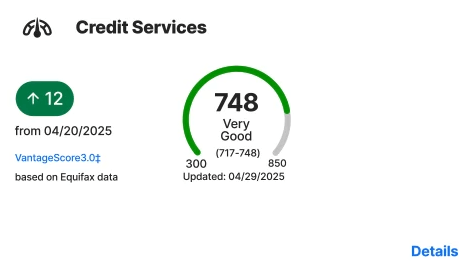
LifeLock’s Standard and Advantage tiers mostly keep tabs on just one credit bureau. So if a fraudster opens a new account using your Experian or Equifax file, there’s a good chance you won’t hear about it right away. Yep. That’s the catch.
Ultimate Plus is where things start to feel complete. You get daily monitoring across all three major bureaus, including TransUnion, plus monthly credit reports and daily score updates.
In today’s fraud-heavy world, relying on single-bureau monitoring is kind of like locking your front door but leaving the back one wide open.
With three-bureau monitoring, you’ll catch:
- New hard inquiries
- Newly opened accounts
- Score changes
No matter which bureau the fraudster targets.
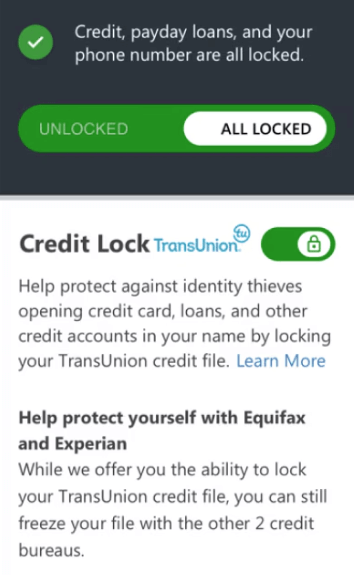
Personally, I’d skip the one-bureau plans if credit monitoring is high on your priority list. They’re better than nothing, but once you’ve seen how easily fraud can slip through one file, it’s hard to feel fully covered.
Financial and investment monitoring
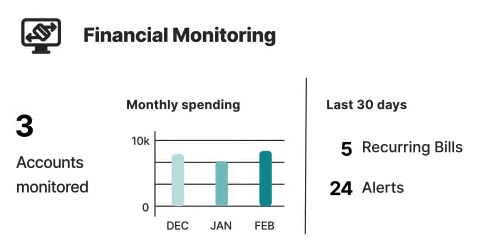
This is where LifeLock really flexes its muscles and earns that “MVP” title. Once you go through the effort of linking your 401(k), brokerage, and checking accounts, the system starts hunting for the stuff that actually keeps you up at night.
I’m talking about those massive, “unusual” withdrawals that usually signal a nightmare in progress, or the sneaky addition of a new linked bank account, which is the classic first move in a “drain” attack.
What’s splendid for 2026 is the new Synthetic ID Detection. This is tech-heavy wizardry designed to catch scammers who try to fuse your real Social Security Number (SSN) with a completely fake name to create a “phantom” credit profile.
Most basic monitors miss this because the data doesn’t perfectly match yours, but LifeLock’s new algorithms are tuned to spot these blended fraud patterns before they can wreck your reputation.
Privacy monitoring
The Privacy Monitor is basically your personal “delete” button for the internet, and honestly, it’s one of the most satisfying parts of the LifeLock Ultimate Plus experience.
If you’re tired of seeing your home address and cell number plastered across sketchy people search sites like Whitepages or Spokeo, this tool is a lifesaver. In the newest version of the top-tier plans, LifeLock doesn’t just send you a “good luck” email with a list of links; it actually automates the opt-out process for you. It identifies exactly where your data is leaking and fires off the takedown requests so you don’t have to spend your Saturday afternoon arguing with a database.
But the digital cleanup doesn’t stop with your physical address. LifeLock has beefed up its social media monitoring. It’s constantly scanning your accounts on platforms like Instagram and LinkedIn for signs of a takeover or any weird activity that suggests a hacker is impersonating you.
The Norton 360 bundle
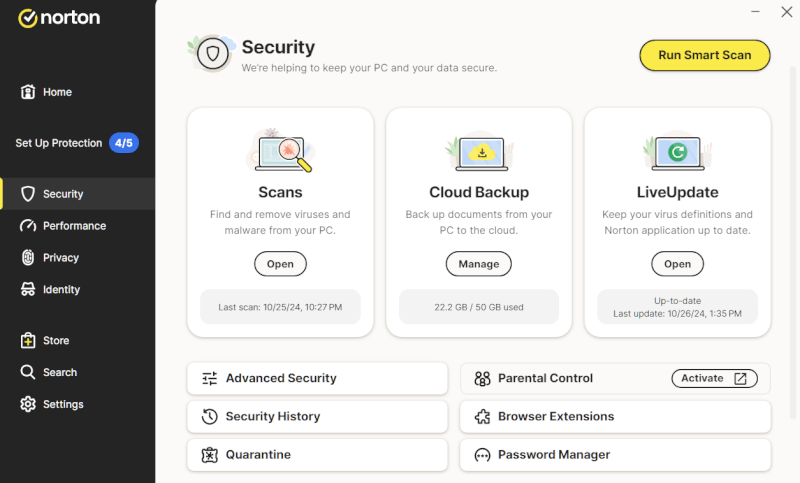
Since LifeLock is part of the Gen Digital family, your subscription comes with a full-blown tactical vest for your devices. This isn’t some “lite” version of Norton 360; it’s a heavy-duty security suite designed to stop hackers before they even get close to your identity.
Here’s what’s actually in the box for 2026:
- Top-tier antivirus: This is the engine that consistently hits perfect scores on AV-TEST for blocking malware. It’s your first line of defense against “keyloggers” that try to sniff out your passwords while you type.
- Norton Secure VPN: Essential for those of us who live out of coffee shops or airport lounges. It encrypts your data tunnel so “Free Public Wi-Fi” doesn’t become a “Free Pass” for hackers to grab your credentials. While it’s not quite as fast as a standalone like ExpressVPN, it’s more than enough for secure browsing.
- 500GB cloud backup: If you’re on the Ultimate Plus plan, this is your “break glass in case of emergency” feature. If you get hit by ransomware, you can restore your entire digital life from a clean slate.
- Password manager: Stop using “Password123.” This tool generates and stores unhackable passwords so you don’t have to remember 50 different variations of your dog’s name.
- Smart firewall: This monitors the “digital traffic” going in and out of your computer, blocking suspicious connections that most basic Windows or Mac security might miss.
Apps and day-to-day use
Once the 5-minute setup is complete, your relationship with LifeLock happens primarily through your smartphone. The experience is slick, but it still feels a bit like living in a house with two different front doors.
The dashboard: Your identity mission control
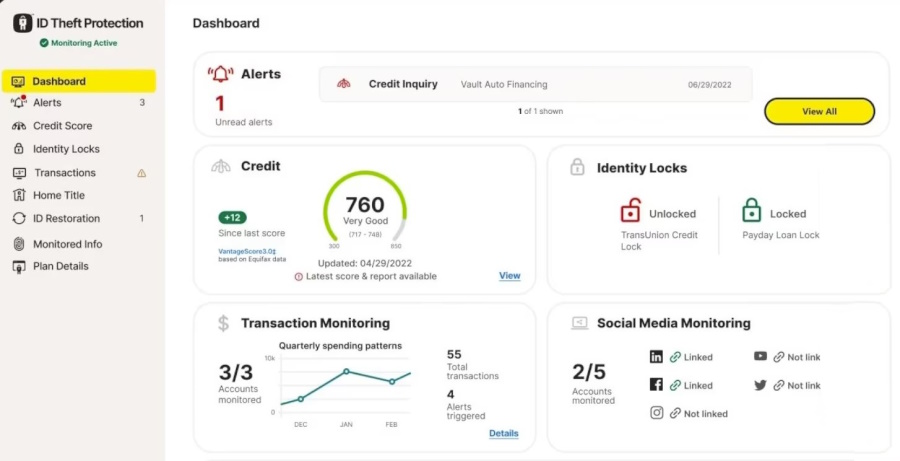
The LifeLock mobile app (available on iOS and Android) is where you’ll spend 90% of your time. With solid 4.5+ star ratings, it’s clearly doing something right. The interface is clean, dark-mode friendly, and cuts straight to the chase.
From the main screen, you can fly through these essentials:
- The “big red button”: Instantly lock or unlock your TransUnion credit file if you suspect someone is sniffing around your SSN.
- Credit snapshot: Check your latest score (on eligible plans) without the jump-scare of a hard inquiry.
- The alert feed: Swipe through recent notifications to see if that $2,000 “Best Buy” charge was you or a fraudster in another state.
- Restoration hotline: If things go sideways, you can initiate an identity restoration case with one tap.
The “two-app” friction
Gen Digital still hasn’t merged the DNA of these two brands perfectly. You’ll check your identity alerts in the LifeLock App, but if you want to toggle your Norton VPN or run a virus scan, you have to hop over to the Norton 360 App. It’s a bit disjointed, but both apps are fast enough that it’s more of a minor annoyance than a deal-breaker.
Three pro-tips for daily sanity:
- The screenshot “ghost”: Don’t panic if you can’t screenshot your credit score. LifeLock blocks this to prevent sensitive data from being accidentally shared.
- The “monthly sync”: Bank connections can drop if your institution updates security. A quick monthly check makes sure your 401(k) and savings stay linked.
- Trust the push: No need to babysit the app. The notifications are reliable, so unless your phone pings, your digital bouncer is on duty.
Drawbacks, pricing jumps, and controversies
Look, no security tool is perfect, and LifeLock has some baggage that doesn’t make it into the glossy TV commercials. If you’re going to trust them with your SSN, you need to know where the tripwires are buried.
The renewal shock (budget accordingly)
This is the #1 complaint from users, and for good reason. LifeLock loves a good “teaser rate.” You might sign up for a slick $9.99/month introductory deal, but come month 13, that bill can skyrocket to $17.99 or more.
Most people forget they’re on auto-renew until the notification hits their bank app. If you’re diving in, treat that first-year discount as a “trial” and budget for the price to nearly double in year two.
A maze of plans
Trying to pick a LifeLock plan in 2026 feels like reading a restaurant menu with 100 items. Between individual tiers, “Advantage” vs. “Ultimate,” and various Norton 360 bundles, it’s easy to get overwhelmed.
This complexity usually benefits the company, not you. Competitors like Aura keep it simple, while LifeLock makes you feel like you need a PhD just to compare two tiers.
The “security” irony and incidents
It’s uncomfortable, but we have to mention it: LifeLock’s parent company, Gen Digital, has dealt with credential-stuffing incidents in the past.
While it wasn’t a full-blown hack of their monitoring database, it affected users of their password manager. If you’re a high-security purist, you might prefer a standalone password manager like 1Password or Bitwarden rather than keeping all your eggs in the Norton basket.
Data detection gaps
In some 2025 and early 2026 head-to-head tests, LifeLock’s dark web monitoring occasionally missed data that other services caught instantly. Whether it’s a slower refresh rate on their scans or just a different set of sources, it’s a reminder that no single tool catches 100% of the internet’s basement activity.
The bottom line on the bad stuff
None of these are deal breakers if you know what you’re getting into. The Ultimate Plus plan is still a beast, but you have to go in with your eyes open about the cost trajectory and the fact that you’re buying into a massive corporate ecosystem.
LifeLock’s customer support
If there’s one thing I’ve learned while living with LifeLock in 2026, it’s that the service has two very different faces when it comes to human help. You have the “general” support line, and then you have the elite Restoration Specialists. They are definitely not the same.
The general support grinds
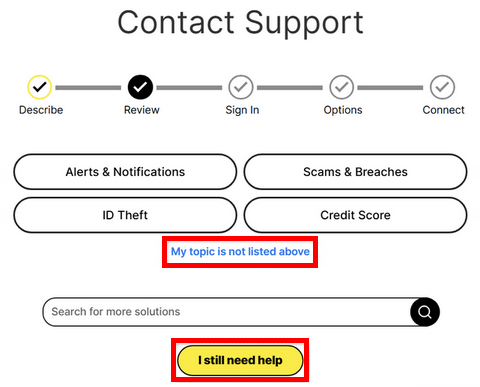
Truth be told, calling for basic billing questions or a login glitch can be a test of patience:
- The wait: During my tests, getting a real human on the general support line took about 10 to 15 minutes.
- The vibe: You’ll likely reach a global call center where the reps are helpful but clearly following a script. It’s standard “big tech” support – functional, but it won’t blow you away.
- The cancellation challenge: If you try to cancel, be prepared for a bit of a “sales pitch” marathon. They really don’t want to let you go, so you’ll need to stand your ground if you’re looking to exit.
The “restoration” VIP treatment
Now, if you’re actually a victim of fraud, the experience flips 180 degrees.
- US-based experts: When you trigger a restoration case, you are routed to a dedicated US-based specialist. This is where that “White-Glove” service actually kicks in.
- The heavy lifting: In my experience (and based on Trustpilot feedback), these specialists are pros. They don’t just give you advice; they jump on three-way calls with your bank and the credit bureaus to fix the mess for you.
- Peace of mind: This is the only part of the support system that truly justifies the Ultimate Plus price tag. When your identity is actually stolen, you don’t want a script; you want a shark in your corner, and that’s what these specialists are.
LifeLock’s self-help scene: DIY defense
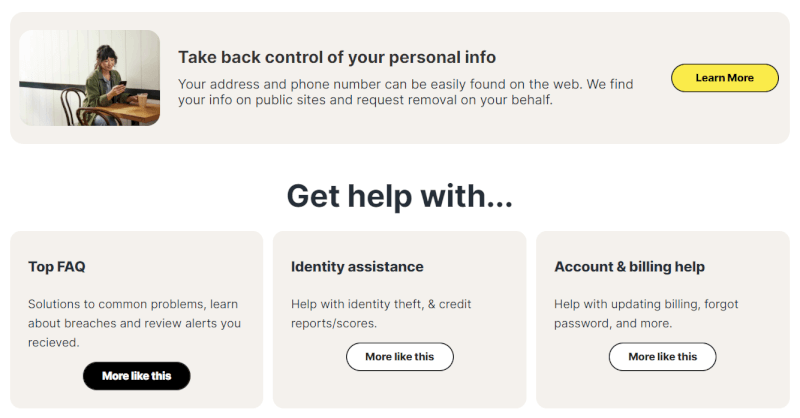
If you’re the type to skip the phone queue and hunt for your own answers, LifeLock’s digital library is surprisingly deep. They’ve leaned into AI to make finding specific fixes a lot faster.
- The AI knowledge base: The Norton LifeLock Support Portal is your 24/7 “Wikipedia” for identity theft. Instead of digging through menus, you can just type a natural question like “How do I report a stolen wallet?” and it’ll spit out a step-by-step checklist.
- The community forums: The Norton Community is where the real power users hang out. It’s the best place to find quick fixes for Norton 360 app bugs or VPN connection issues without waiting on a rep.
- Social and videosupport: If you’re a visual learner, their YouTube channel has quick 2-minute primers on 2026 threats like AI voice cloning. Plus, their X (Twitter) support is often snappier for basic account questions than a standard email ticket.
Security, privacy, and the vault
When you sign up, you’re giving LifeLock the “keys to the kingdom” – your SSN, bank logins, and address history. Here is how they keep that data from becoming the next headline:
| Security and privacy feature | Standard | Advantage | Ultimate Plus |
| Up to $3M insurance | ❌ | ❌ | ✅ |
| 3-bureau credit monitoring | ❌ | ❌ | ✅ |
| Daily credit score updates | ❌ | ❌ | ✅ |
| 401(k) and investment alerts | ❌ | ❌ | ✅ |
| Home title monitoring | ❌ | ❌ | ✅ |
| Social media takeover alerts | ❌ | ✅ | ✅ |
| Dark web monitoring | ✅ | ✅ | ✅ |
| Bank and credit card alerts | ✅ | ✅ | ✅ |
| US-based restoration team | ✅ | ✅ | ✅ |
| Norton 360 security suite | ✅ | ✅ | ✅ |
LifeLock’s security architecture
LifeLock uses bank-grade, industry-standard AES-256 encryption to scramble your data. Even if a hacker managed to sit on their servers, they’d find nothing but gibberish without the decryption keys.
- Encrypted tunnels: All communication between your app and their servers happens over high-strength TLS 1.2+ connections, ensuring no one can “sniff” your data while it’s in transit.
- Proactive defense: Their parent company, Gen Digital, runs 24/7 intrusion detection systems that flag unusual activity, like the high-volume login attempts seen during past credential-stuffing attacks.
Your privacy: Who sees what?
The biggest fear is often, “Are they selling my data to advertisers?“ According to their 2026 Global Privacy Statement, the answer is a firm no.
- The rule: LifeLock does not sell your personal info or use sensitive data for anything other than providing the services you paid for.
- Data retention: They don’t keep your info forever. For example, call recordings are typically purged after 3 months, and IP addresses are scrubbed after 30 days to protect your digital footprint.
- Control: You can view, update, or request the deletion of your data directly through the Norton/LifeLock Portal at any time.
While the tech is top-tier, the real “safety net” is a combination of these digital locks and the legal guarantee. If their security ever failed to the point that your identity was stolen, that’s when the $3 million insurance policy kicks in to cover legal fees and stolen funds.
The competition: LifeLock vs the world
If you’re looking for a “one-and-done” comparison, this table cuts through the marketing fluff:
| LifeLock (Ultimate Plus) | Aura (Ultimate) | Identity Guard (Ultra) | |
| Max insurance coverage | $3M (per adult) | $1M | $1M |
| Credit monitoring | 3-bureau (daily) | 3-bureau (daily) | 3-bureau (monthly) |
| Data removal | Automated | Automated | Manual guidance |
| Device security | Norton 360 | Antivirus with VPN | Limited |
| Best for… | High-asset homeowners | Tech-savvy families | Budget 3-bureau seekers |
The quick breakdown:
- LifeLock wins on “brute force”: If you have a massive 401(k) or high home equity, that $3M insurance ceiling and unlimited claims make LifeLock the undisputed heavyweight. Plus, Norton 360 is still a better antivirus than anything the competitors bundle.
- Aura wins on modern UX: Aura is often faster with dark web alerts and offers a much cleaner “all-in-one” app experience. They also include parental controls on more tiers than LifeLock.
- Identity Guard wins on value: If you just want 3-Bureau monitoring without the fancy Norton bells and whistles, Identity Guard usually clocks in at a lower monthly price.
Is LifeLock your best 2026 defense?
LifeLock enters 2026 as the undisputed heavyweight of the identity world, offering a massive $3 million insurance shield on the Ultimate Plus plan that most competitors simply can’t touch. Between the elite Norton 360 antivirus bundle and the “white-glove” restoration team that fights your legal battles for you, it’s a premium fortress for your financial accounts.
However, every gourmet sandwich has a bit of a tough center. You have to swallow a steep 30-55% price hike when your second-year renewal hits, and managing your security across two separate apps feels a bit clunky in 2026.
Despite those quirks, LifeLock remains the gold standard for high-net-worth individuals and homeowners who want a “set it and forget it” bodyguard. If the “Norton tax” feels too high, I highly recommend checking out Aura as the best modern alternative; it’s faster, sleeker, and offers three-bureau monitoring on every single plan.
Exclusive Aura Coupon:
Get 68% Off Aura subscription plans with the coupon below:
(Coupon is applied automatically; 60-day money-back guarantee.)
More identity protection reviews:
- Aura Review
- Coveron Review
- Experian IdentityWorks Review
- IDShield Review
- McAfee Review
- IdentityIQ Review
- Identity Guard Review
LifeLock FAQs
Is LifeLock worth it in 2026?
Yes, if you have serious assets to protect, but not necessarily if you want simple alerts. The Ultimate Plus plan includes up to $3 million in coverage plus home title monitoring, which makes it appealing for homeowners or higher-net-worth individuals. If you’ve got investment accounts, property, or a more complex financial life, that extra ceiling can justify the premium.
But if you just want straightforward identity alerts and credit monitoring, a simpler service like Aura often delivers stronger day-to-day value for less. You also see it recommended as one of the best identity protection services on Reddit and other forums.
How much does LifeLock cost after the first year?
It gets more expensive, sometimes significantly. Intro pricing can start as low as $7.50 per month, which looks great upfront. But renewal rates often jump to around $124.99 per year for Standard and up to $339.99 per year for Ultimate Plus. That second-year increase catches a lot of people off guard.
Paying annually instead of monthly usually keeps the total subscription cost more manageable.
Does LifeLock monitor all major credit bureaus?
Yes, but only on the top-tier plan. Standard and Advantage plans mostly monitor just one bureau, typically TransUnion. If fraud hits your Experian or Equifax file, you may not get alerted right away.
If you want the “gold standard” of daily three-bureau monitoring, you’ll need Ultimate Plus.
What is the $3 million LifeLock insurance policy?
It’s three separate $1 million buckets, not one giant pool.
The $3 million total on Ultimate Plus is split into:
- $1M for stolen funds reimbursement
- $1M for personal expenses
- $1M for legal fees
That bucket system is actually more generous than the $1 million aggregate cap many competitors still use.
Is Aura better than LifeLock for families?
Yes, especially for bigger households. Aura typically allows up to 5 adults and unlimited children on family plans, while LifeLock usually caps at 2 adults and 5 children. Aura also includes three-bureau credit monitoring on every tier, not just the most expensive one.
For families who want a simple set-it-and-forget-it solution, Aura can feel more consistent and easier to manage.
Can I use LifeLock without Norton 360?
Yes, but you’re missing half the value. You can subscribe to LifeLock as a standalone identity monitoring service. But bundling it with Norton 360 adds VPN, antivirus, firewall, and password manager protection for a relatively small add-on cost.
Without the bundle, you’re mostly getting detection and recovery. With it, you get prevention too. And in 2026, prevention is kind of the whole game.

Leave a Reply