
A secure browser that protects your privacy is a critical tool for staying safe online and keeping your data secure from third parties. And using “private” or “incognito” browsing will not protect you. Your IP address will remain exposed and various third parties can still track all of your activities. And even legal action may not protect you. In May of 2025, Texas secured a $1.375 settlement with Google related to Incognito mode and Google’s data collection practices.
But don’t panic. Effective solutions and tools exist to deal with these problems and we cover them in detail in this article. In this guide to secure browsers, we’re going to explain the following topics:
- Finding secure browsers that respect your privacy
- Problems with mainstream browsers
- Browser privacy compartmentalization
- Add-ons for secure browsers
- Why you need to pair a VPN with most secure browsers
Finding secure browsers that protect your privacy
In this section we will examine the best browsers based on two main factors:
- Security: How well does the browser protect you from hackers, vulnerabilities, and online exploits?
- Privacy: How much data is the browser itself collecting about you and who is it being shared with? How does the browser protect your privacy?
Conflicting opinions! Just like with Tor, opinions about browser privacy and security can be wildly divergent and contentious.
This guide is not meant to sell you on one browser that beats all others. Rather, it is a summary of information about different web browsers that do well with both privacy and security. Choose the best browser for you based on your own unique needs and threat model. We have divided our recommended secure browsers into 2 groups: those that support desktop and mobile apps, and those that are desktop only.
Recommended browsers with desktop and mobile device support
Here are our recommendations for secure browsers that include both desktop and mobile device support. They are arranged in alphabetical order:
Brave
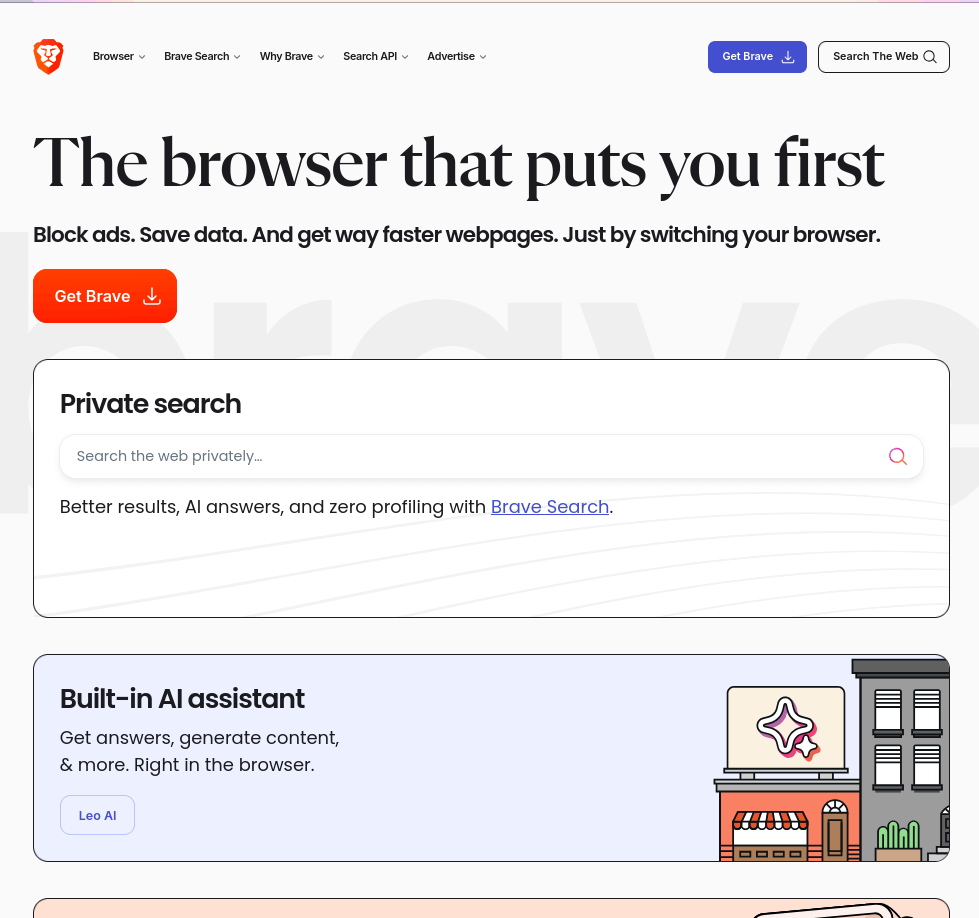
Brave browser is a Chromium-based browser developed by Brave Software, co-founded by Brendan Eich. It stands out for its unique focus on privacy, security, and speed, offering robust out-of-the-box protections and innovative features that set it apart from other browsers.
Brave supports Windows, macOS, Linux, iOS, and Android.
Features:
- Ad and Tracker Blocking: Brave’s Shield blocks ads, trackers, and cryptomining scripts using EasyList, reducing malicious ad exposure.
- Anti-Fingerprinting: Randomizes browser identifiers (e.g., canvas, fonts), scoring high on EFF’s Cover Your Tracks test.
- HTTPS Everywhere: Upgrades connections to secure HTTPS, minimizing man-in-the-middle risks.
- Script Blocking: Blocks harmful scripts, with per-site customization.
- Tor Integration: Private browsing mode with Tor enables anonymous browsing and dark web access.
- Cookie Consent Blocker: Auto-dismisses cookie pop-ups for streamlined privacy.
- Third-Party Storage Blocking: Prevents trackers from storing data.
- Frequent Updates: Receives Chromium-based security patches every 1-2 weeks.
- Brave Wallet: Built-in crypto wallet for secure Web3 transactions.
- Brave Search: Privacy-focused default search engine with an AI-powered Summarizer (added 2023).
Pros:
- Privacy by Default: Brave’s aggressive blocking and Tor integration make it one of the most private mainstream browsers, ideal for users who want security without tinkering.
- Performance: Faster than Chrome due to ad/tracker blocking, with low RAM usage and tab suspension for efficiency.
- Chrome Extension Support: Access to Chrome Web Store extensions allows customization with trusted tools like uBlock Origin.
- Innovative Features: Brave News (RSS reader), Brave Wallet, and Brave Search enhance functionality without compromising privacy.
- Transparent Business Model: Brave’s opt-in ads program (Brave Rewards) pays users in Basic Attention Tokens (BAT) for viewing non-invasive ads, funding development without data exploitation. Ads are privacy-respecting, with no personal data shared.
Cons:
- Ads Controversy: Some criticize Brave’s opt-in ads as contradictory to its privacy ethos, though users can disable them entirely.
- Tor Limitations: Tor mode is slower and less anonymous than the standalone Tor Browser due to fewer relays and potential exit node risks.
- Compatibility Issues: Strict blocking can break some websites, requiring users to adjust Shield settings.
- Learning Curve: While user-friendly, advanced features like Brave Wallet or Tor may confuse non-technical users.
- Closed-Source Elements: While Brave’s core is open-source (Chromium), some components (e.g., ad system) are proprietary, limiting full community audits.
https://brave.com
DuckDuckGo browser
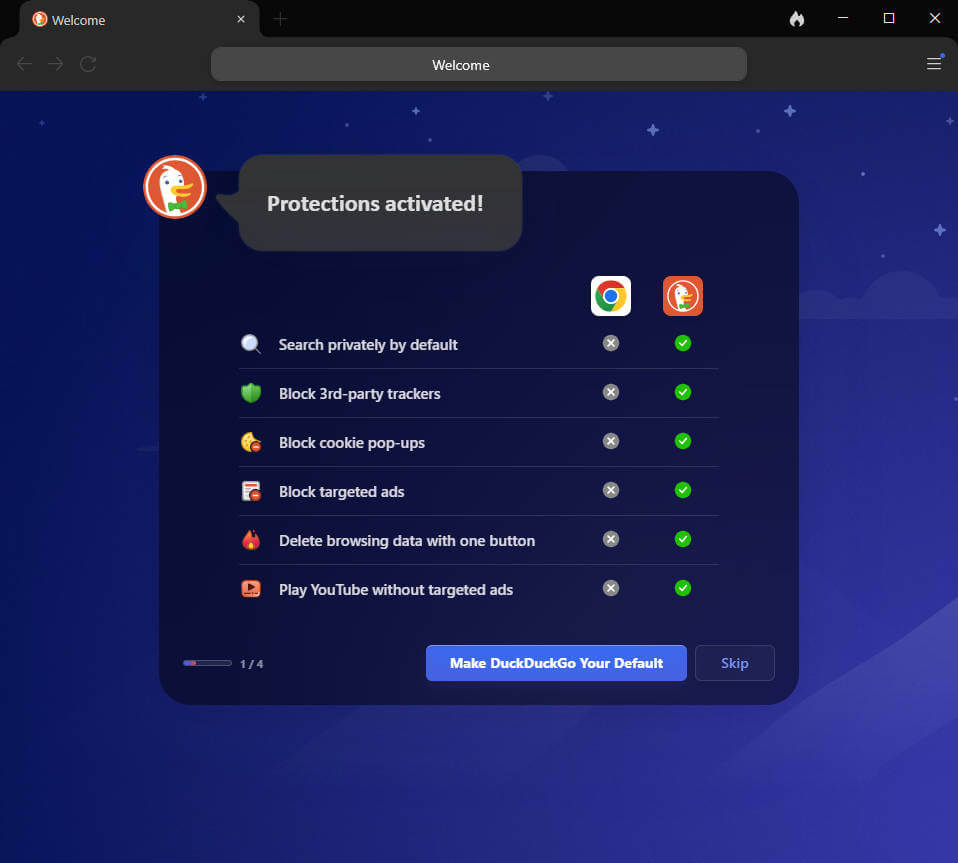
DuckDuckGo Browser, developed by DuckDuckGo, is a privacy-focused browser built on WebKit (not Chromium). DuckDuckGo launched in 2008 and has since expanded into browser add-ons and mobile apps, emphasizing privacy features and secure browsing. Launched to prioritize user privacy, it offers strong default protections and fast performance, competing with mainstream browsers.
DuckDuckGo browser supports Windows, macOS, iOS, and Android.
Features
- Tracker Blocking: Global Privacy Control (GPC) and blocklists stop trackers, ads, and cryptomining scripts.
- Smarter Encryption: Forces HTTPS connections via proprietary technology, reducing man-in-the-middle risks.
- Anti-Fingerprinting: Randomizes browser identifiers (e.g., canvas, fonts) to resist fingerprinting.
- Cookie Pop-Up Reduction: Auto-manages cookie consent prompts for seamless browsing.
- Private Browsing: Deletes cookies, history, and cache after sessions by default.
- Data Clearing: One-tap “Fire Button” wipes browsing data instantly.
- DuckDuckGo Search: Integrates privacy-focused search, avoiding Google’s tracking.
- WebRTC Blocking : Disables WebRTC to prevent IP leaks.
- Frequent Updates: Patches vulnerabilities regularly, aligning with WebKit updates.
- App Tracking Protection: Blocks app trackers on Android (beta feature).
Pros
- Privacy by Default: Strong protections without configuration.
- Fast Performance: Lightweight, with low resource usage.
- Cross-Platform: Available on macOS, iOS, Android.
- Transparent Updates: Addressed Microsoft tracker issue (blocked since 2022).
- No Data Monetization: DuckDuckGo’s ad model avoids user profiling.
Cons
- Limited Customization: Fewer extension options than Firefox or Chromium-based browsers.
- WebKit Base: Less website compatibility than Chromium browsers.
- No Desktop Extensions: Lacks support for add-ons on macOS.
- Learning Curve: Some features (e.g., App Tracking Protection) are in beta or platform-specific.
Additional Notes: Pairing with a VPN enhances privacy. Mobile version is available on both the Google Play and Apple stores.
https://www.duckduckgo.com
Firefox
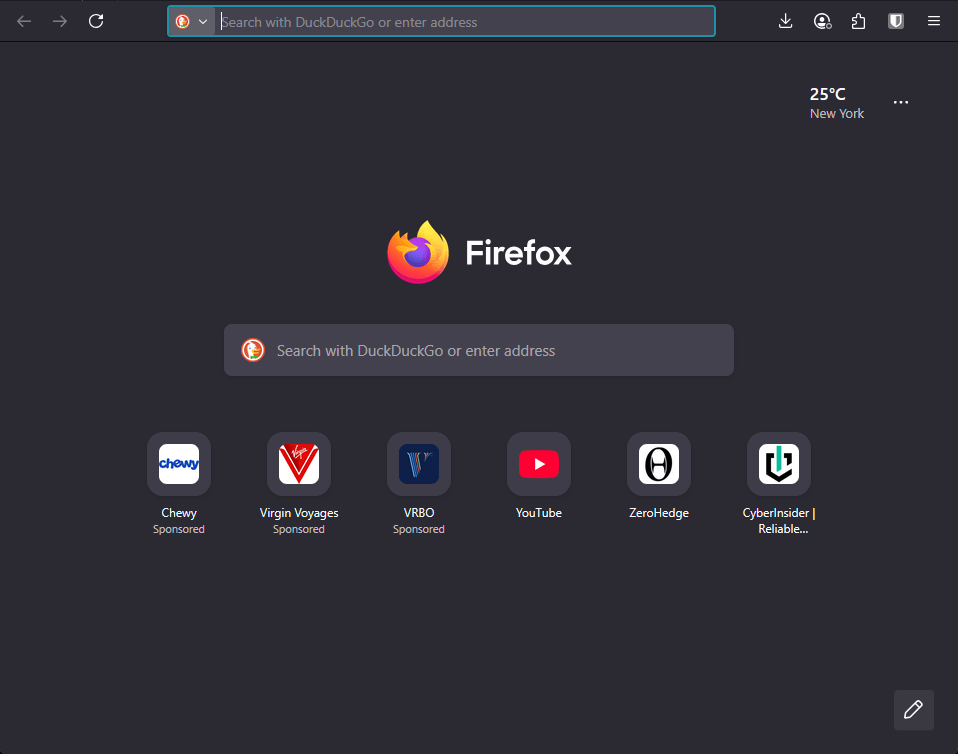
Mozilla Firefox, developed by the nonprofit Mozilla Corporation, is an open-source browser excelling in privacy, security, and customization. Compared to other browsers, Firefox offers advanced privacy and security features that set it apart. Fast and lightweight, it offers robust protections and frequent updates, making it a trusted choice for privacy-focused users.
Out of the box, Mozilla Firefox is not the best for privacy, but it can be customized and hardened, and we show you exactly how in our Firefox privacy modifications guide. Be sure to disable Firefox telemetry which collects “technical and interaction data” and also “install and run studies” within your browser.
Firefox supports Windows, macOS, Linux, iOS, and Android.
Features
- Total Cookie Protection: Isolates cookies per site to prevent cross-site tracking.
- Enhanced Tracking Protection: Blocks trackers, ads, and cryptomining scripts with Standard, Strict, or Custom modes.
- HTTPS-Only Mode: Forces secure HTTPS connections to reduce man-in-the-middle risks.
- Anti-Fingerprinting: Limits identifiable data (e.g., canvas, fonts) to mitigate fingerprinting.
- DNS over HTTPS (DoH): Encrypts DNS queries to prevent ISP snooping (default in some regions).
- Site Isolation: Separates website processes to limit cross-site data leaks.
- Frequent Updates: Delivers security patches every 4-6 weeks, addressing vulnerabilities.
- Password Manager: Stores credentials securely using OS-level encryption.
- Private Browsing: Clears cookies, history, and cache after sessions, with tracking protection.
- Firefox Monitor: Alerts users to data breaches involving their email.
- Extension Support: Supports thousands of add-ons (e.g., uBlock Origin, Privacy Badger).
- Firefox View: Simplifies access to recent sites across devices.
Pros
- Open-Source: Audited code ensures transparency and trust.
- Privacy Customization: Flexible settings for varied privacy needs.
- Nonprofit Backing: Mozilla’s mission avoids data monetization.
- Performance: Lightweight with low RAM usage and tab suspension.
- Cross-Platform: Consistent features on Windows, macOS, iOS, Android, Linux.
Cons
- Manual Configuration: Telemetry and some tracking require manual disabling.
- Slower Updates: Less frequent than Chrome’s near-daily patches.
- Compatibility: Strict settings may break websites, needing tweaks.
- Learning Curve: Advanced privacy settings require technical know-how.
- Extension Risks: Poorly vetted add-ons can introduce vulnerabilities.
Additional Notes: Firefox Extended Support Release (ESR) supports legacy add-ons. Firefox Focus offers streamlined privacy for Android and iOS. For additional customization and privacy settings, check out our Firefox privacy guide.
https://www.firefox.com
Opera
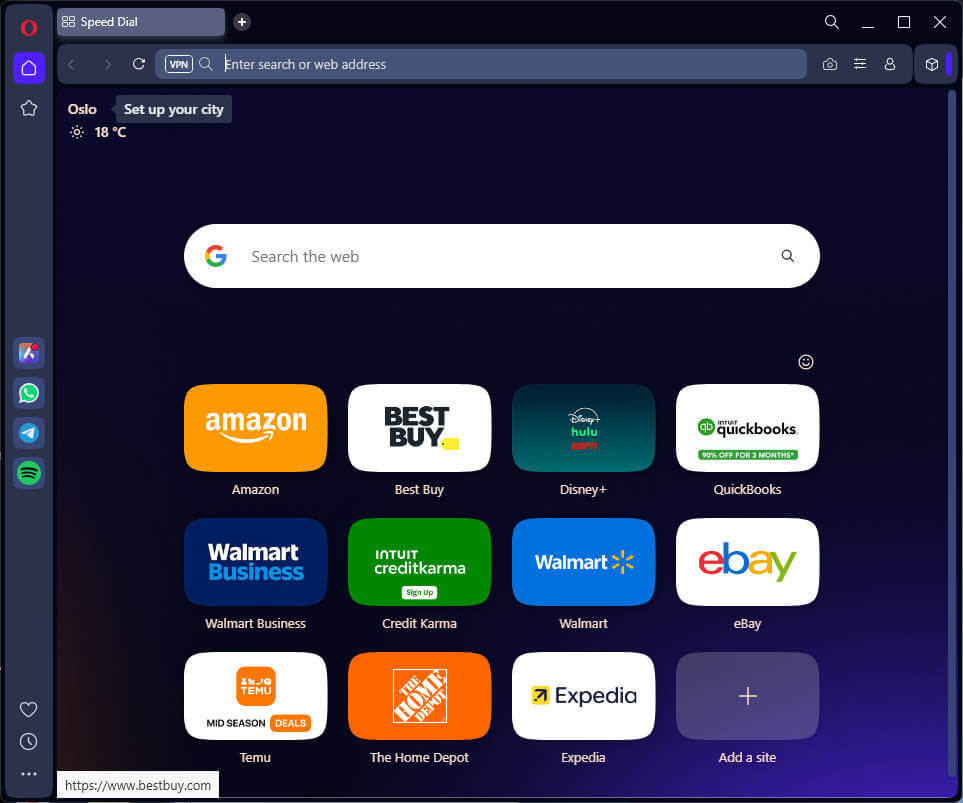
Opera, a Chromium-based browser founded in 1995 by Opera Software in Norway, is a feature-rich, privacy-focused platform emphasizing speed and innovation. Independently operated under strict GDPR compliance, it’s built on Google’s open-source Chromium engine, offering a secure and customizable experience for users seeking a modern browsing alternative. Opera includes features designed to protect users from online threats, such as blocking malicious websites and filtering content on each page to enhance security.
Opera supports Windows, macOS, Linux, Android, and iOS.
Features
- Built-in VPN: Encrypts browser traffic, masking IP addresses for browsing in private.
- Ad and Tracker Blocking: Blocks ads, trackers, and cryptomining scripts via NoCoin filter.
- HTTPS Enforcement: Forces secure connections to reduce man-in-the-middle risks.
- Anti-Fingerprinting: Limits identifiable data (e.g., canvas, fonts) to resist tracking.
- Frequent Updates: Patches vulnerabilities every 4-5 weeks, syncing with Chromium
- Aria AI: Built-in GPT-based AI for secure web queries and image generation.
- Tab Islands: Groups tabs for organized, secure browsing.
- WebRTC Blocking: Prevents IP leaks, enhancing VPN use.
- Private Browsing: Clears cookies, history, and cache after sessions.
- Site Permissions: Granular control over camera, microphone, and location access.
Pros
- Privacy by Default: VPN and ad blocker ensure strong out-of-the-box protection.
- Performance: Lightweight, with battery-saver mode and fast rendering.
- Innovative Features: Tab Footprints, Split Screen, and pop-out video enhance usability.
- Cross-Platform: Supports Windows, macOS, Linux, Android, iOS.
- GDPR Compliance: Operates under strict European privacy laws from Norway.
Cons
- Limited VPN Scope: Protects only browser traffic, not device-wide.
- Data Collection: Optional analytics cookies require manual opt-out.
- Compatibility: Niche status may cause minor website issues.
- Learning Curve: Advanced features like Aria AI may confuse beginners.
- Smaller Team: Slower response to vulnerabilities than Chrome.
Additional Notes: Opera’s European servers and no-log VPN policy enhance trust. Pair with a premium VPN for full-device protection. Ideal for users valuing speed, privacy, and unique features.
https://www.opera.com
Tor browser
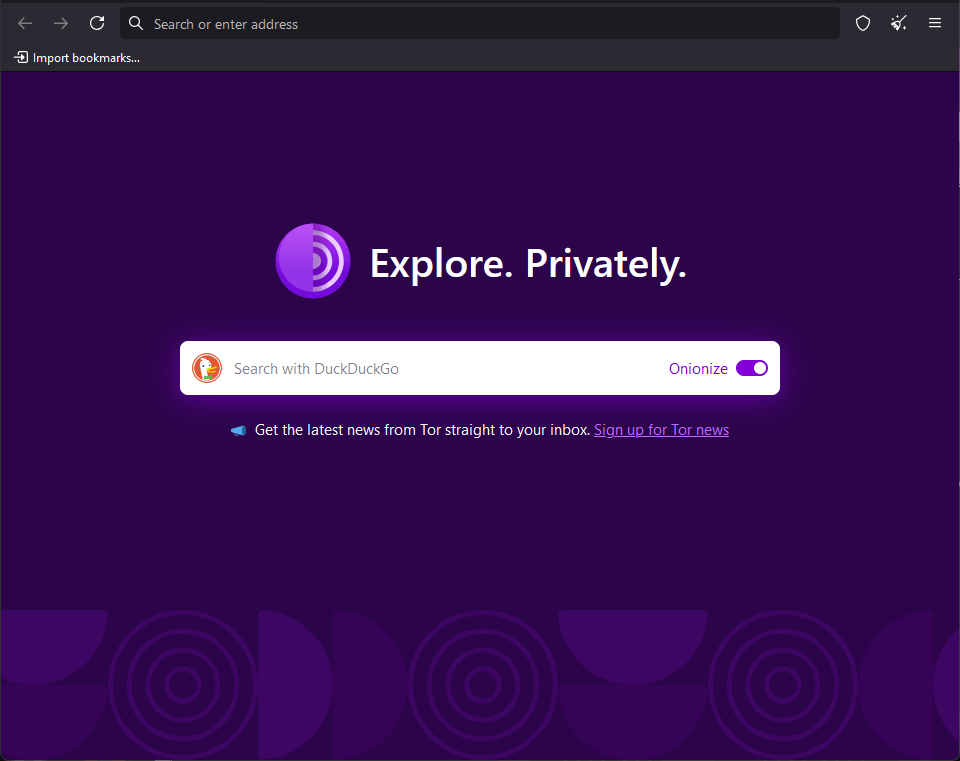
Tor Browser, a hardened Firefox fork developed by the nonprofit Tor Project, is designed for maximum anonymity by routing traffic through the Tor network. It prioritizes privacy and security, making it ideal for users needing protection from surveillance or censorship, though it sacrifices speed and convenience.
Tor browser supports Windows, macOS, Linux, and Android.
Features
- Onion Routing: Routes traffic through three encrypted relays (entry, middle, exit) to anonymize IP addresses.
- NoScript Integration: Blocks all scripts by default, preventing malicious code execution.
- Anti-Fingerprinting: Standardizes browser identifiers (e.g., canvas, fonts) to resist fingerprinting.
- HTTPS-Only Mode: Enforces secure HTTPS connections to reduce man-in-the-middle risks.
- WebRTC Blocking: Disables WebRTC to prevent IP leaks.
- Total Cookie Protection: Isolates cookies per site to block tracking.
- Private Browsing: Clears cookies, history, and cache after sessions.
- Frequent Updates: Patches vulnerabilities every 4-6 weeks, based on Firefox ESR.
- Letterboxing: Pads window sizes to uniform dimensions, reducing fingerprinting.
- Tor Network: Enables dark web access and circumvents censorship.
Pros
- Unmatched Anonymity: Triple-hop encryption ensures near-complete privacy.
- Open-Source: Audited code enhances trust.
- Censorship Resistance: Bypasses geo-restrictions and firewalls.
- Nonprofit Backing: Tor Project’s mission avoids data monetization.
- Cross-Platform: Available on Windows, macOS, Linux, Android.
Cons
- Slow Performance: Multi-hop routing causes high latency and low speeds.
- Compatibility Issues: Script blocking and Tor IP bans break many websites.
- Malicious Exit Nodes: Unencrypted exit traffic can be intercepted by rogue nodes.
- Learning Curve: Requires understanding of Tor’s limitations for safe use.
- Funding Concerns: Partial U.S. government funding raises trust issues for some.
Additional Notes: Tor Browser is not suited for daily browsing due to speed and compatibility issues. For enhanced security, avoid logging into personal accounts or disabling NoScript carelessly. Be careful when adjusting the settings for the Tor browser, as this may compromise the browser’s built-in privacy and security features.
https://www.torproject.org/
Ungoogled Chromium browser
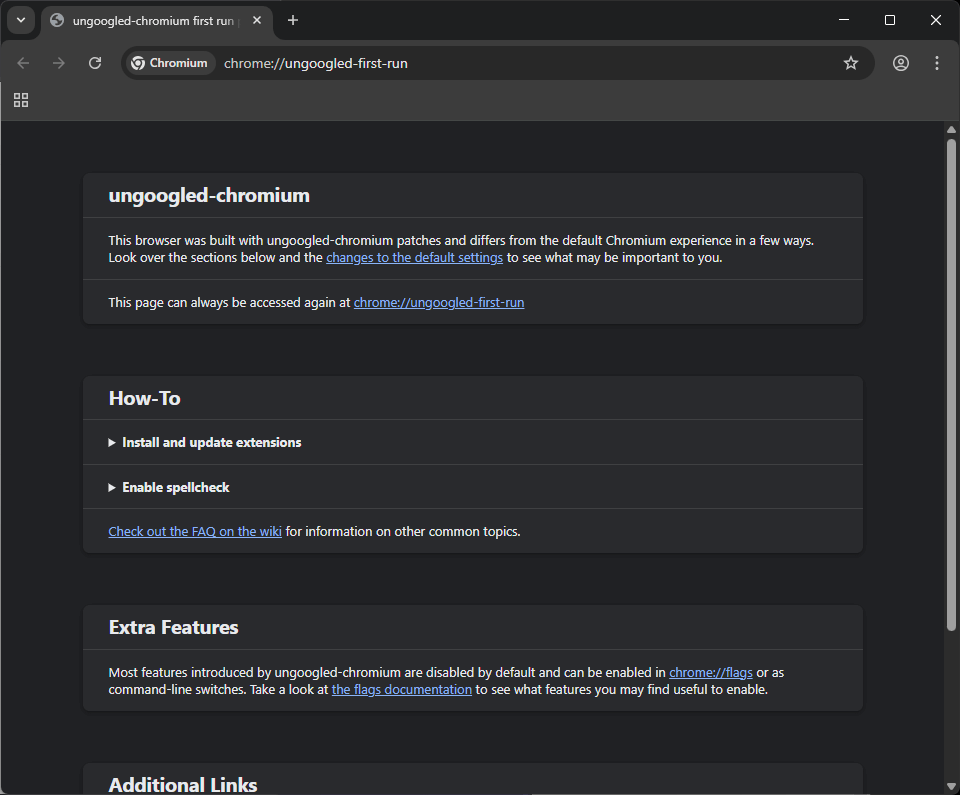
Ungoogled Chromium, a community-driven Chromium fork launched in 2015, removes Google services to prioritize privacy and user control. Built on Chromium’s open-source core, it retains speed and compatibility while offering enhanced security for privacy-conscious users.
Supports Windows, macOS, Linux, and Android (via third-party builds).
Features
- Tracker Blocking: Disables Google telemetry, ads, and third-party trackers by default.
- Anti-Fingerprinting: Randomizes identifiers (e.g., canvas, fonts, UA string) to resist tracking.
- WebRTC Blocking: Prevents IP leaks, ensuring VPN compatibility.
- HTTPS Enforcement: Forces secure connections to reduce man-in-the-middle risks.
- Private Browsing: Clears cookies, history, and cache after sessions.
- No Google Services: Removes Safe Browsing, autofill, and other Google APIs to eliminate data sharing.
- Content Security Policy (CSP): Restricts malicious scripts and cross-site attacks.
- Frequent Updates: Patches vulnerabilities every 4-6 weeks, syncing with Chromium.
- Extension Support: Compatible with Chrome Web Store add-ons (e.g., uBlock Origin).
- Reproducible Builds: Auditable builds ensure code integrity.
Pros
- Open-Source: Fully auditable, transparent code.
- Privacy-Focused: No Google telemetry or data collection.
- Performance: Lightweight, matching Chromium’s speed.
- Customizable: Extensive control via flags and extensions.
Cons
- Manual Updates: No auto-update system; you must install updates manually.
- No Mobile Support: Official builds exclude iOS; Android relies on third-party APKs.
- Compatibility Issues: Removing Google services may break some websites.
- Technical Setup: Requires manual configuration for optimal privacy.
- Small Team: Community-driven, potentially slowing fixes.
Additional Notes: Ungoogled Chromium is ideal for tech-savvy users seeking a Google-free Chromium experience. Pair with a VPN and add-ons like uBlock Origin for maximum security. Less user-friendly than Brave but highly private.
https://github.com/ungoogled-software/ungoogled-chromium
Vivaldi browser
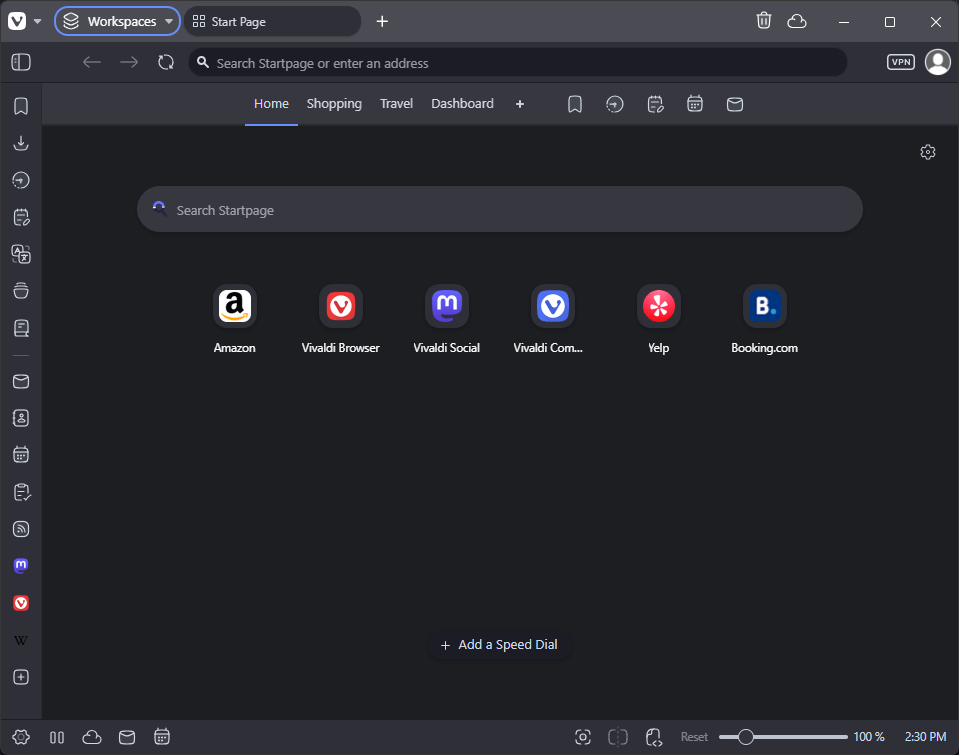
Vivaldi, a Chromium-based browser launched in 2016 by Vivaldi Technologies in Norway, was founded by former Opera developers. It emphasizes customization, privacy, and productivity, offering a feature-rich experience for tech-savvy users seeking a secure alternative to mainstream browsers.
Vivaldi supports Windows, macOS, Linux, iOS, and Android.
Features
- Tracker Blocking: Uses DuckDuckGo’s blocklist to stop ads, trackers, and cryptomining scripts.
- Anti-Fingerprinting: Limits identifiable data (e.g., battery API, minimal UA string) to resist tracking.
- HTTPS Enforcement: Forces secure connections to prevent man-in-the-middle attacks.
- WebRTC Blocking: Optional disablement prevents IP leaks for VPN users.
- Private Browsing: Clears cookies, history, and cache after sessions, with separate search engine options.
- Frequent Updates: Patches vulnerabilities every 1-2 weeks via Chromium
- End-to-End Sync: Encrypts bookmarks, passwords, and notes on-device, stored in Iceland.
- Proton VPN Integration: Enables seamless login via Vivaldi.net accounts.
- Cookie Management: Blocks third-party cookies and auto-deletes session data.
- Password Manager: Uses OS-level encryption for secure credential storage.
Pros
- Open-Source Core: Chromium base is auditable, ensuring transparency.
- Customization: Extensive tab management (e.g., Tab Stacks, hibernation), themes, and mouse gestures.
- Privacy-Focused: No user profiling; GDPR-compliant in Norway.
- Productivity Tools: Built-in email client, calendar, notes, and RSS reader.
Cons
- Metadata Collection: Sends anonymized user ID, device info daily to servers.
- Closed-Source UI: Limits full code auditing.
- No Built-in VPN: Relies on external VPNs for IP masking.
- Complexity: Customization may overwhelm casual users.
- Google Dependencies: Safe Browsing and autofill share minimal data, though disableable.
Additional Notes: Vivaldi’s privacy settings and Proton VPN integration make it a strong choice for secure browsing. Ideal if you value customization and privacy over simplicity.
https://vivaldi.com/
Waterfox
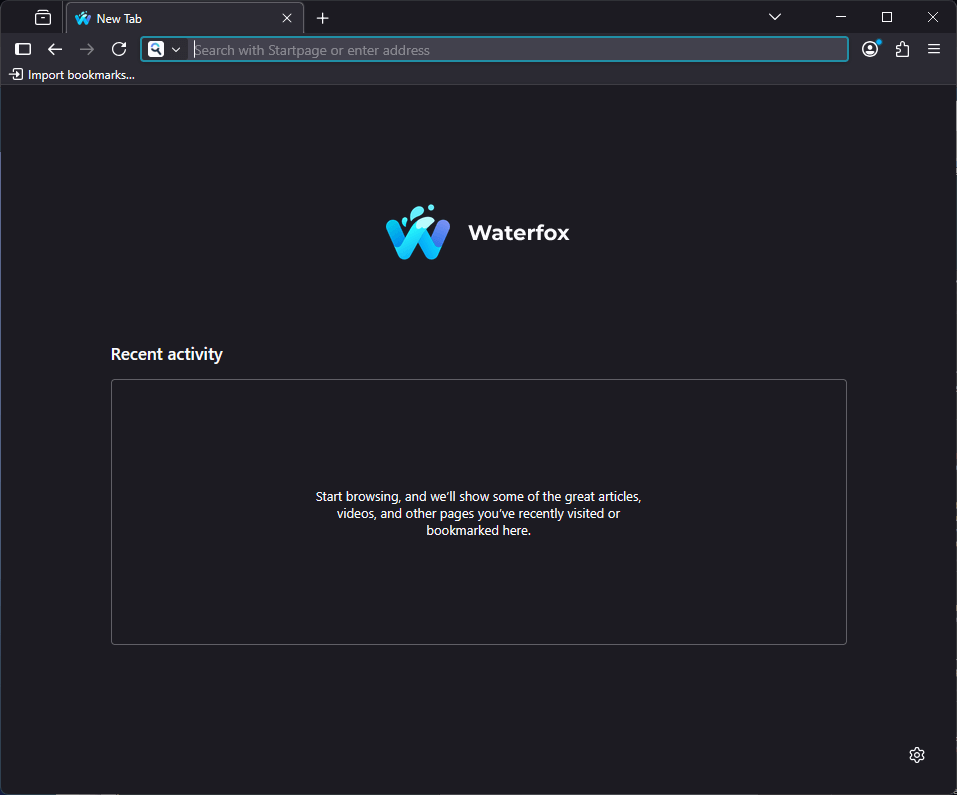
Waterfox, a Firefox fork founded by Alex Kontos in 2011, is an open-source browser emphasizing speed, privacy, and legacy extension support. It offers various features for privacy, speed, and customization, making it appealing to users who value a safer and more user-centric browsing experience. Independent since July 2023 after a stint with System1, it’s built on Mozilla’s Gecko engine for users seeking a customizable, privacy-focused alternative.
Waterfox supports Windows, macOS, Linux, and Android.
Features
- Tracker Blocking: Disables Mozilla’s telemetry and Pocket by default, reducing data collection.
- Enhanced Tracking Protection: Offers Standard, Strict, or Custom modes to block trackers and ads.
- HTTPS-Only Mode: Enforces secure HTTPS connections to prevent man-in-the-middle attacks.
- Anti-Fingerprinting: Limits identifiable data (e.g., canvas, fonts) to resist fingerprinting.
- Frequent Updates: Patches vulnerabilities every 4-6 weeks via Firefox ESR.
- Private Browsing: Clears cookies, history, and cache after sessions.
- Extension Support: Compatible with Firefox, Chrome, and Opera add-ons (e.g., uBlock Origin).
- Waterfox Private Search: Privacy-focused search engine
- Tree Style Tab: Native sidebar with tab previews for enhanced management.
- Site Isolation: Separates website processes to limit data leaks.
Pros
- Open-Source: Audited code ensures transparency.
- Legacy Support: Waterfox Classic supports XUL/XPCOM add-ons dropped by Firefox.
- Performance: Lightweight, optimized for speed.
Cons
- Slower Updates: Less frequent than Chrome’s near-daily patches.
- Compatibility: Strict settings or legacy focus may break modern websites.
- Single Developer Risk: Historically reliant on one maintainer, though team expanded.
- Limited Mobile Development: Android support lags behind desktop.
Additional Notes: Waterfox balances privacy and usability but requires manual tweaks (e.g., uBlock Origin) for optimal protection.
https://www.waterfox.net
Desktop-only recommended browsers
Here are browsers we can recommend that do not provide mobile device support.
Iridium
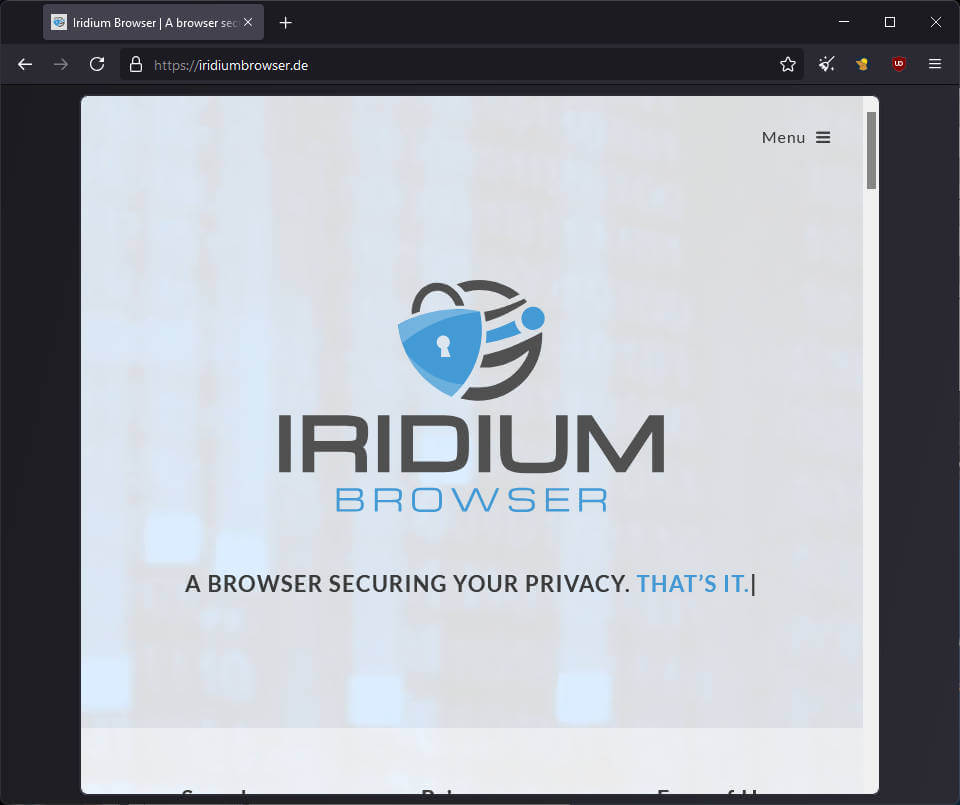
Iridium Browser, a Chromium-based fork developed by Open Source Business Alliance, prioritizes user privacy with hardened default settings. Launched to enhance security over mainstream browsers, it’s designed for privacy-conscious users but lacks mobile support. However, finding accurate information about Iridium’s features and security can be challenging due to limited documentation and independent reviews.
Iridium is only available as source-code tarballs and does not support any mobile devices.
Features
- Tracker Blocking: Disables telemetry, ads, and third-party requests by default.
- Anti-Fingerprinting: Standardizes browser identifiers (e.g., canvas, fonts, user agent) to resist tracking.
- WebRTC Blocking: Prevents IP leaks for VPN compatibility.
- HTTPS Enforcement: Forces secure connections to reduce man-in-the-middle risks.
- Private Browsing: Clears cookies, history, and cache after sessions.
- Reproducible Builds: Auditable, verifiable builds ensure code integrity.
- No Auto-Transmission: Blocks partial queries, keywords, and metrics to external services.
- Content Security Policy (CSP): Restricts malicious scripts and cross-site attacks.
- Frequent Updates: Patches vulnerabilities every 4-6 weeks, syncing with Chromium.
- Extension Support: Compatible with Chrome Web Store add-ons (e.g., uBlock Origin).
Pros
- Open-Source: Audited, reproducible code ensures transparency.
- Privacy by Default: Hardened settings minimize configuration needs.
- Lightweight: Low resource usage, optimized for performance.
- No Data Collection: Avoids telemetry and profiling.
- Cross-Platform: Supports Windows, macOS, Linux.
Cons
- Source-Code Only: Available only as source-code, requiring compilation and technical expertise.
- No Mobile Support: Lacks Android or iOS versions, limiting accessibility.
- Small User Base: Niche status may cause website compatibility issues.
- Slower Updates: Lags behind Chrome’s near-daily patches.
- Limited Community: Smaller development team may delay fixes.
- Minimal Documentation: Sparse setup guides for non-technical users.
Additional Notes: Iridium is safe for privacy-focused desktop browsing. Best for tech-savvy users valuing auditable builds.
https://iridiumbrowser.de
LibreWolf
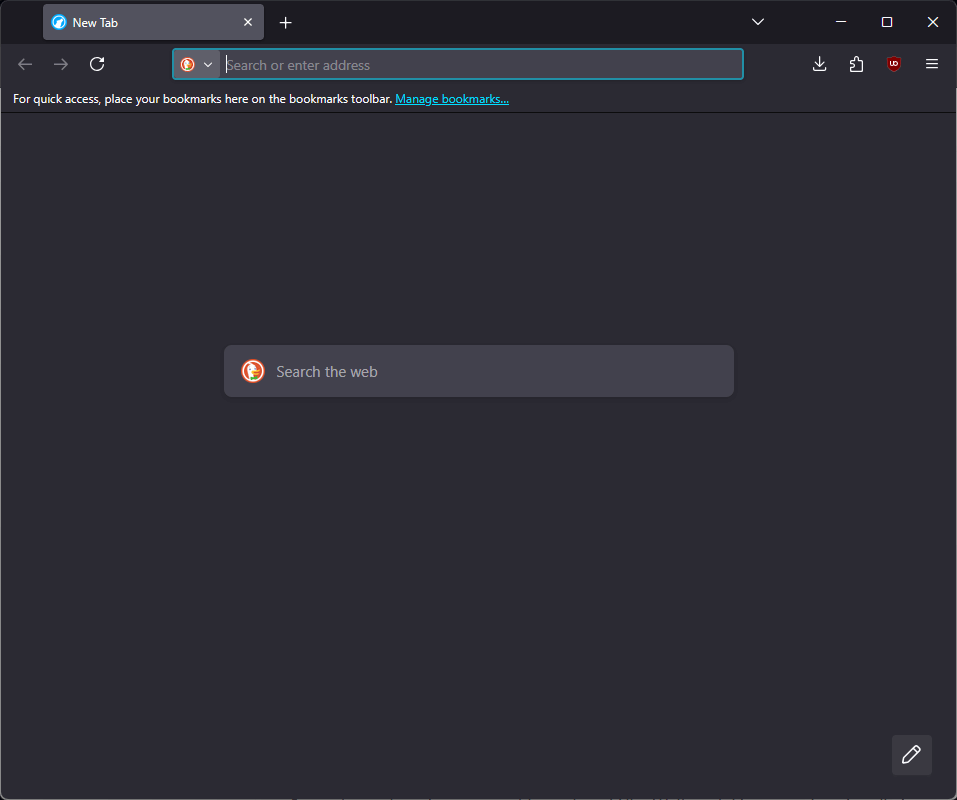
LibreWolf, a community-driven Firefox fork launched in 2021, prioritizes privacy, security, and user freedom. Built on Mozilla’s Gecko engine, it removes telemetry and proprietary code, offering a hardened alternative for privacy-conscious users.
Supports Windows, macOS, and Linux.
Features
- Tracker Blocking: Integrates uBlock Origin to block ads, trackers, and cryptomining scripts by default.
- Anti-Fingerprinting: Randomizes identifiers (e.g., canvas, fonts, resistFingerprinting) to prevent tracking.
- WebRTC Blocking: Disables WebRTC to avoid IP leaks.
- HTTPS-Only Mode: Enforces secure connections to reduce man-in-the-middle risks.
- Total Cookie Protection: Isolates cookies per site to block cross-site tracking.
- Private Browsing: Clears cookies, history, and cache after sessions.
- Frequent Updates: Syncs with Firefox ESR, patched every 4-6 weeks.
- No Telemetry: Removes Mozilla’s data collection and Pocket integration.
- Letterboxing: Pads window sizes to resist fingerprinting.
- Extension Support: Compatible with Firefox add-ons (e.g., Privacy Badger).
Pros
- Open-Source: Fully auditable, transparent code.
- Privacy by Default: Hardened settings eliminate configuration needs.
- Lightweight: Low resource usage, optimized for speed.
- Community-Driven: Active development ensures reliability.
Cons
- No Mobile Support: Lacks Android or iOS versions.
- Compatibility Issues: Strict blocking may break JavaScript-heavy sites.
- Manual Updates: No auto-update on some Linux distros.
- Small Team: Community-driven, potentially slowing fixes.
- Learning Curve: Advanced settings may challenge beginners.
Additional Notes: LibreWolf is ideal for desktop users seeking Firefox’s privacy without telemetry. Pair with a VPN for enhanced security. Less user-friendly than Brave.
https://librewolf.net/
Mullvad Browser
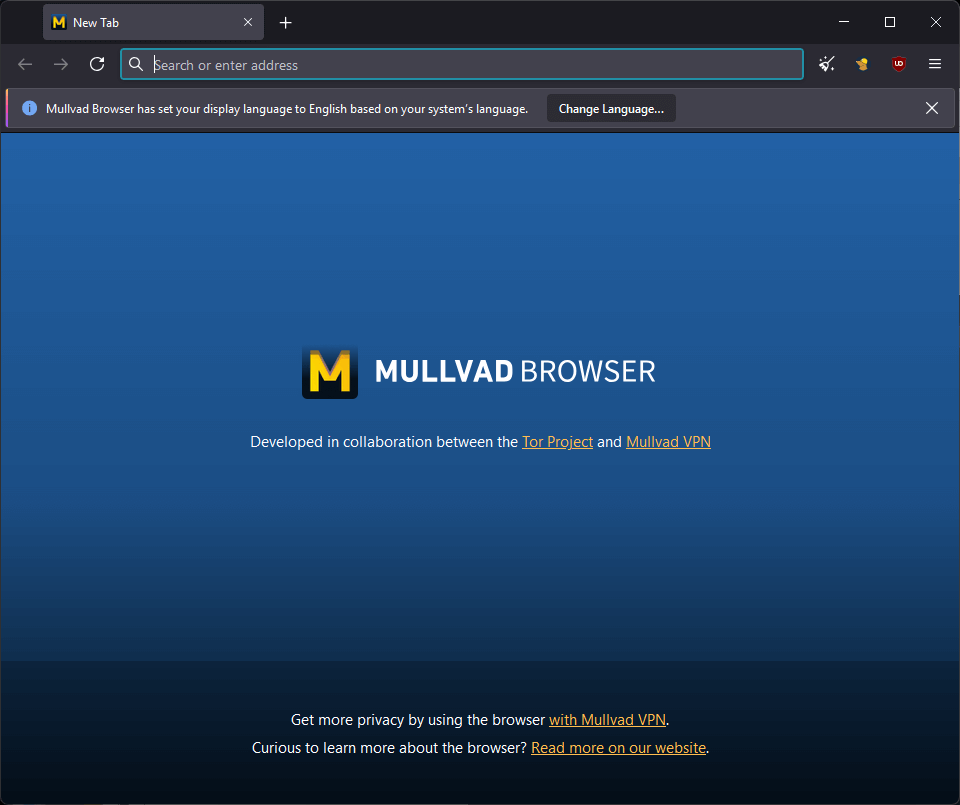
Mullvad Browser, a Firefox-based collaboration between Mullvad VPN and the Tor Project, is designed to enhance online privacy by adapting Tor Browser’s protections for use with a VPN instead of the Tor network. Launched in 2023, it’s designed for users seeking robust privacy without Tor’s complexity or speed limitations.
Compared to other browsers, Mullvad Browser offers stronger privacy protections by minimizing tracking and data collection, making it a top choice for users concerned about online privacy.
Mullvad browser supports Windows, macOS, and Linux.
Features
- Tracker Blocking: Uses uBlock Origin to block ads, trackers, and cryptomining scripts by default.
- Anti-Fingerprinting: Standardizes fingerprints (e.g., UTC timezone, masked system memory, CPU cores, keyboard layout) to blend users into a crowd.
- Private Browsing Mode: Deletes cookies, history, and cache after sessions, enabled by default.
- Letterboxing: Pads window sizes to uniform dimensions, reducing fingerprinting.
- HTTPS-Only Mode: Enforces secure HTTPS connections to prevent man-in-the-middle attacks.
- Third-Party Cookie Blocking: Prevents cross-site tracking.
- NoScript Elements: Limits script execution to minimize malicious code risks.
- Frequent Updates: Patches vulnerabilities every 4-6 weeks via Firefox ESR.
- VPN Integration: Optimized for use with trusted VPNs (e.g., Mullvad, NordVPN) to mask IP addresses.
- DNS over HTTPS (DoH): Available but requires manual enabling to encrypt DNS queries.
Pros
- Open-Source: Audited code ensures transparency and trust.
- Strong Privacy: Tor-derived protections without extensions, ideal for non-technical users.
- VPN Compatibility: Works with any trusted VPN, offering faster speeds than Tor.
- No Data Monetization: Mullvad’s VPN-funded model avoids user data exploitation.
Cons
- No Built-in VPN: Requires a separate VPN for IP masking, adding cost or complexity.
- Fingerprinting Issues: Some tests (e.g., EFF’s Cover Your Tracks) report unique fingerprints, suggesting room for improvement.
- DoH Not Default: Manual configuration needed for DNS encryption.
- Compatibility: Strict blocking may break websites, requiring setting adjustments.
- Slower Updates: Less frequent than Chrome’s near-daily patches.
Additional Notes: Mullvad Browser suits users wanting Tor-like privacy with VPN speeds. For maximum anonymity, Tor Browser remains superior, but Mullvad offers a practical alternative for clearnet browsing.
This browser collaboration definitely has potential. To learn more about it, check out our recent article on this Mullvad – Tor project.
https://mullvad.net/en/browser
Issues with mainstream browsers
While the major mainstream browsers tend to be secure against external threats, they might not provide adequate protection against online threats.
Google Chrome
Google Chrome is by far the most popular browser. Unfortunately, it’s a data collection tool as well and not a good choice for anyone looking for privacy.
You can safely assume that everything you do through Google Chrome is collected, saved to your data profile, and used for targeted advertising.
Microsoft Edge
Just like Windows, it’s a good idea to avoid Microsoft Edge if possible. It is closed source, so there’s no telling what’s going on behind the scenes. Edge also collects mandatory diagnostic data, even in private mode. You can disable some telemetry data, but it is activated by default, and its closed-source nature leaves many people uncomfortable.
Safari browser
Safari is the default browser for macOS and iOS devices. Overall, Safari is not a horrible choice in terms of privacy and tracking protection – but it also cannot be recommended for a few reasons:
- Apple is a partner in the PRISM surveillance program
- Apple was caught “hoarding” Safari browsing history – even after it was deleted
- Apple was found to be collecting Safari history even when used in private mode
On a positive note, however, Apple does somewhat better with privacy than other large companies. The Safari browser blocks third-party cookies by default and also implements cross-site tracking protection.
Browser privacy and compartmentalization
One problem that often comes with browser privacy and security is that people want to remain logged in to various accounts, while also browsing the web. But this is problematic. When you stay logged in to Gmail or Facebook, for example, their trackers can record your activity as you browse the web.
One potential solution to this problem is browser compartmentalization. This is when you use different web browsers for different online activities. For example:
- Browser #1 will only be used for accessing your online accounts that require a password. You can stay logged in with only this browser, and it won’t be used for general browsing.
- Browser #2 will only be used for web browsing, with various privacy configurations and no cookies or history being stored on the browser.
- Browser #3 could be completely locked down for maximum privacy and security.
You can also utilize different browsers, configured exactly the way you want, for various purposes, depending on your needs and threat model. The key is to keep the compartmentalization strict and not break the rules/uses for each browser.
Virtual machines — On the topic of compartmentalization, using virtual machines is also a good idea for both privacy and security. You can easily run Linux VMs through VirtualBox (FOSS) on your host computer.
Password managers
It should also be noted that storing your passwords in the browser may be risky depending on the browser you are using, especially since browsers may store passwords in cleartext. A better alternative would be to utilize a secure password manager.
Browser add-ons for security and privacy
In addition to adjusting the settings within your browser, there are also a number of different add-ons or extensions you can use to improve your browser’s privacy and security.
Here are a few different options, but they may not all be supported by the browser you are using:
- uBlock Origin — This is one of the best browser-based ad blockers available that will also protect you against tracking.
- Cookie Autodelete — This will automatically delete cookies that are no longer needed from your browser.
- NoScript — NoScript allows you to customize exactly which scripts run on the websites you visit. Like uMatrix, this is for advanced users and requires lots of customization.
Warning: Be cautious about using third-party add-ons and browser extensions. There are many Chrome VPN extensions that are 100% free, but also very dangerous. Do your research first, since add-ons and extensions could function as spyware and collection tools for third parties. This is especially true with free VPN services or browser proxy add-ons from questionable sources.
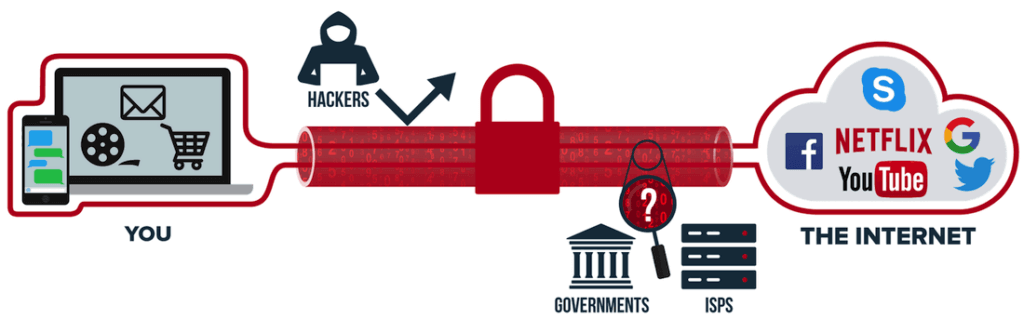
“Private” or “Incognito” browsing mode is NOT private (and why you need a VPN)
Many assume “private” or “incognito” mode ensures privacy, but this is a misconception. It only prevents local storage of cookies, history, and passwords, not external tracking.Limitations of Private Mode
- ISP Visibility: Your internet provider can see all visited sites and may log/share data with authorities or third parties.
- IP Exposure: Your real IP and location remain visible to sites, ads, and trackers, enabling identification.
VPN Solutions
- Encrypted Traffic: A VPN encrypts your internet activity, hiding it from your ISP.
- IP Masking: Replaces your IP and location with the VPN server’s, enhancing anonymity.
- Geo-Restrictions: Accesses region-locked content (e.g., Netflix) from anywhere.
Our recommendation is simple: Use a reputable VPN service. Subscribe, install the app, connect to a server, and browse securely with enhanced privacy and access.
Below is a brief overview of the VPNs we recommend you consider for pairing with a secure browser.
- NordVPN: A fast, secure, audited VPN with advanced privacy features and a strict no-logs policy, based in Panama (with a 75% off coupon). See our NordVPN review here.
- Surfshark VPN: A no-logs VPN service with a large lineup of privacy and security features, based in The Netherlands. See the Surfshark VPN review.
- ExpressVPN – A fast, reliable, and secure VPN that also works well for streaming, but with above-average prices. See the ExpressVPN review for the pros and cons.
- Proton VPN — A secure and private VPN with a huge server network. See the Proton VPN review for more info.
Conclusion: Secure browsers and privacy in 2026
A well-configured secure browser is essential for safe web browsing, but selecting the best one depends on your needs. Pairing it with additional tools enhances protection.Key Considerations
- Browser Choice: Pick a browser (e.g., Brave, Firefox, Tor) that aligns with your privacy and usability preferences.
- VPN Integration: Use a reputable VPN to encrypt traffic and hide your IP address, ensuring anonymity. There are some VPNs that have built-in features to block ads and trackers. See our guide on VPN ad blocking for more info.
- Ad Blocker: Install a quality ad blocker (e.g., uBlock Origin) to stop tracking code in ads, preventing data collection by third-party networks.
Combine a privacy-focused browser with a VPN and ad blocker for optimal security and privacy tailored to your needs.

Nice to see people still interested in ‘safe’ browsing – God only (?) knows how it ‘eigentlich ist’ for God knows how good some governments and companies are/have become; results are as expected (no new entries for years ?) and for those who are used to it knows already the content before actually being in the site. evolution of this topic is mainly by details and some minor features, no major changes are expected in near future. Still hoping(sic) that we can get wrong about this one.
thanks for the article
Ⓜ️
Hi Community,
I was going to ask about DuckDuckGo App Tracking Protection and I thought I would check if it is discussed here before hand.
It appears to me that it is mentioned but not discussed.
I think the feature shows some promise and it is now out of beta for android.
I can’t assess how effective the feature is as I don’t have those technical skills but it reports lots of blocking events.
Brave AI (please lets not divert into a discussion of favourite browsers; or AI, I did read directly some of the articles it was referencing) tells me what I believe to be true:
– it is out of beta for Android (since 2023);
– is system wide and runs in the background including when the app is not open;
– users report that they believe that it blocks more than a standard VPN service;
– does not provide what would be commonly understood here (CyberInsider) as a VPN service;
– it has compatibility issues with standard VPNs due to Android only allowing one service to act as a VPN;
– that it uses blacklists to block services;
– does not block all requests to avoid breaking some apps;
– only operates locally on the devise (unlike a standard VPN);
– that the only way to reliably dual use DuckDuckGo App Tracking Protection with a VPN is to install DuckDuckGo on the user interfacing device and the tradition VPN on a router (or a similar logical configuration)
I welcome any corrections, additions and hope this was helpful for any interested.
Thank you.
It’s an adblocker for Android. Android doesn’t let you install adblocker like the way you do on computer.
I am surprised to see Tor so far down the list. For absolute anonymity, isn’t it still the gold standard despite the slower loading speeds?
Interesting list for 2026. I am surprised to see Tor so high up, given how slow it can be for daily casual browsing. It is definitely secure, but maybe not practical for everyone as a primary browser.
Does LibreWolf support all the same extensions as Firefox, or do some of them break due to the strict privacy settings? Thanks for the detailed breakdown of these browsers.
Great article! I’ve been looking for a privacy-focused browser to replace my current setup. The comparison table was super helpful.
Remove Brave please. It has no place here. It is not secure at all despite the misleading claims about “resisting fingerprinting.
Looking for reviews on Impervious Browser, allegedly a blockchain-powered browser?
Wondering if anyone else has tried it?
Source: [https://www.impervious.ai/]
It is open source which is good but do you know how often the browser is updated? I have not tried it yet. Have you? If so, why do you like it?