
Apple has begun prompting UK iPhone users to verify their age after a new iOS update introduced device-level checks to restrict adult content.
The rollout, first reported by the Financial Times, began on Wednesday with the release of iOS 26.4, making the UK the first European market to receive Apple’s expanded age assurance controls. The system requires users to confirm they are over 18 to access certain features, including downloading age-restricted apps, adjusting content filters, and using services that may expose them to explicit material.
Apple’s implementation follows broader enforcement of the UK’s Online Safety Act, which has already pushed platforms such as social media networks and adult websites to introduce stricter age verification systems. While the legislation does not directly apply to operating systems or app stores, regulators have increasingly pressured companies like Apple and Google to implement safeguards at the device level. Ofcom, the UK’s communications regulator, confirmed it worked closely with Apple on the initiative and described the rollout as a significant step for child protection.
The Cupertino-based company, which serves more than a billion active iPhone users globally and operates one of the world’s largest mobile app ecosystems, has not publicly detailed the full scope of restrictions tied to the new checks. However, support documentation indicates that users who fail to verify their age may face limitations on web browsing, app downloads, and communication features such as Messages and FaceTime, where Apple’s “communication safety” tools can automatically detect nudity in shared media.
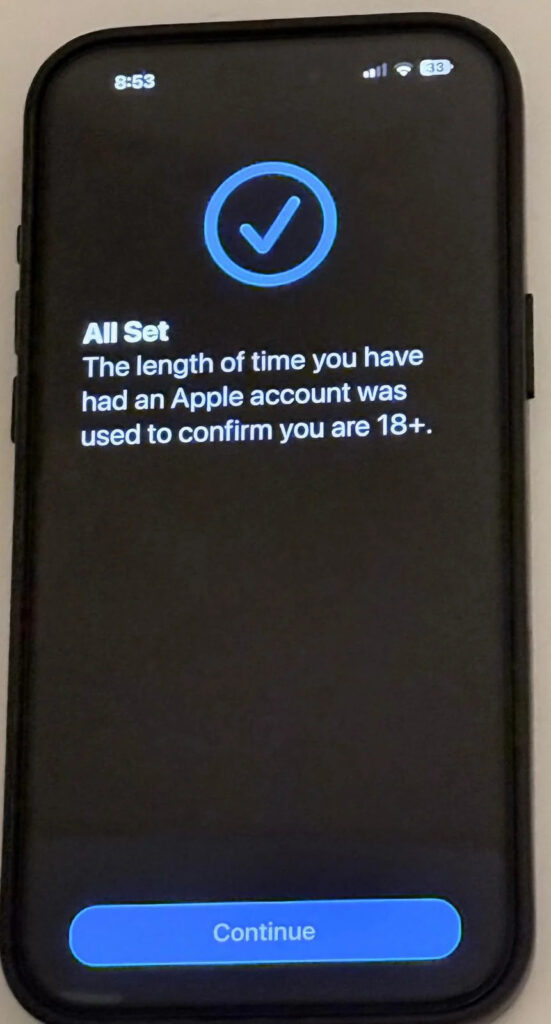
To verify age, Apple offers several methods: analyzing account history (such as the age of an Apple ID), checking payment credentials like a credit card stored in Apple Wallet, or submitting a government-issued ID, such as a driver's license. In some cases, users may be asked to upload images of identification documents for automated verification.
However, early reports from UK users suggest the system may be inconsistent and difficult to complete. Discussions on Reddit indicate that some users struggled with repeated verification failures when scanning IDs due to strict requirements for lighting, background, and image clarity. Others reported limited support for common forms of identification, such as passports, or an overreliance on credit card verification.
The broader implications of device-level age verification are dire, as embedding age checks into the operating system centralizes sensitive identity data and removes user choice about when and how to verify age. Several users have expressed reluctance to share official identification with their devices, citing fears around privacy, data storage, and potential misuse.
CyberInsider has contacted Apple to clarify whether additional verification options will be introduced and which apps or services will be affected for those who don’t complete the age verification process, but the company has not responded to us yet.



Kier starma can **** off ill rather have another prime minister
And so it begins…