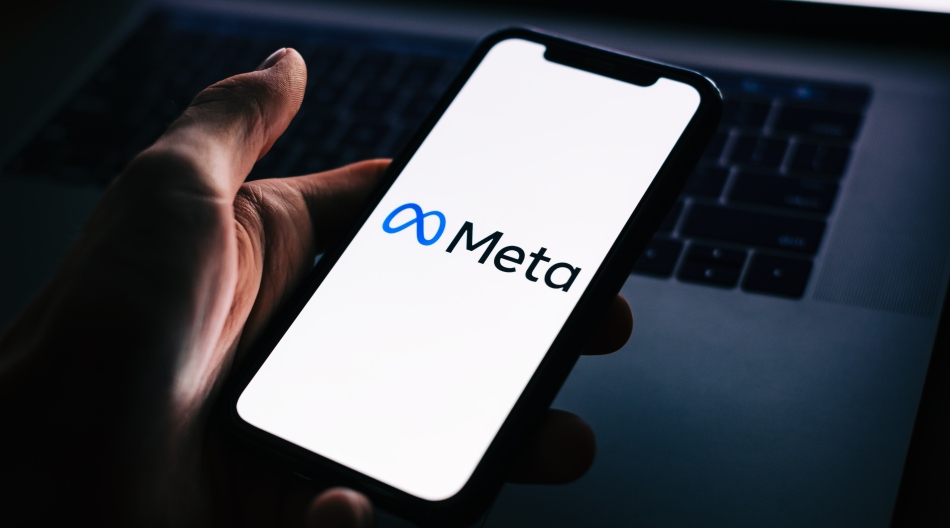
A New Mexico jury has found Meta liable for misleading users about platform safety and exposing children to harm, marking the first successful state trial against a major tech company on such claims.
The court imposed the maximum statutory penalty, totaling $375 million in civil fines.
The verdict concludes a legal battle initiated by the New Mexico Department of Justice (NMDOJ) in 2023. The case centered on allegations that the company violated the state’s Unfair Practices Act by misrepresenting the safety of its platforms while knowingly exposing minors to risks such as sexual exploitation and harmful content.
New Mexico Attorney General Raúl Torrez, who led the case, described the ruling as a turning point in holding large technology firms accountable for the real-world consequences of their design choices. According to the NMDOJ, the case relied heavily on internal Meta documents, along with testimony from former employees, law enforcement officials, and educators, to demonstrate that the company had prior knowledge of the dangers faced by young users.
Meta, the parent company of Facebook and Instagram, is one of the largest social media firms globally, serving billions of users across its platforms. Its services are widely used by teenagers and children, placing the company at the center of ongoing debates about online safety, privacy, and the psychological impact of social media. The company has repeatedly stated that it invests heavily in safety tools, including AI-driven moderation systems and parental controls.
However, evidence presented during the trial painted a different picture. According to the NMDOJ, internal communications revealed that Meta employees and external child safety experts had repeatedly warned executives about systemic risks, including grooming and child exploitation facilitated through platform features. Prosecutors argued that certain design elements, such as recommendation algorithms and messaging systems, enabled predators to identify and contact minors, while also promoting potentially harmful content related to eating disorders and self-harm.
The jury ultimately found Meta liable on both counts brought under the Unfair Practices Act, concluding that the company misled consumers and contributed to endangering children. The $5,000-per-violation penalty reached the legal maximum, resulting in the $375 million total.
Meta has pushed back against the ruling and confirmed it will appeal. In a statement, Meta’s Andy Stone said the company “respectfully disagrees with the verdict” and emphasized ongoing efforts to combat harmful content and protect younger users. Stone added that identifying and removing bad actors remains a complex challenge and maintained confidence in its safety record.
The legal battle is not over. A separate bench trial is scheduled to begin on May 4, where the NMDOJ will pursue additional claims, including a public nuisance allegation. In that phase, the state will seek further financial penalties and court-ordered changes to Meta’s operations. Proposed remedies include stricter age verification mechanisms, improved detection and removal of predators, and safeguards addressing the misuse of encrypted communications.



Leave a Reply