

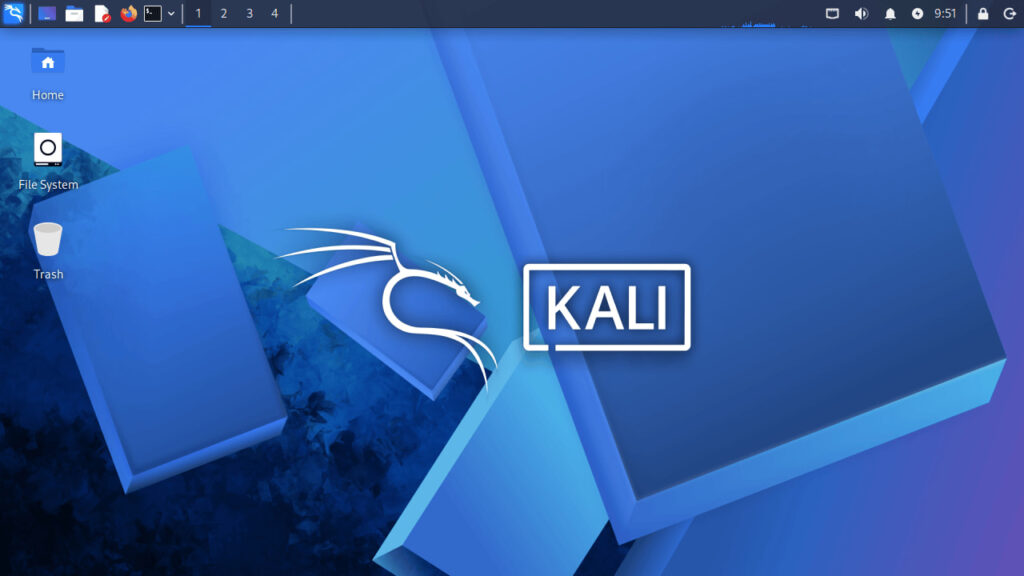
Kali Linux 2026.1 has been released, introducing a refreshed visual theme, a nostalgic “BackTrack mode,” and a set of new offensive security tools alongside under-the-hood improvements.
The update also marks the project’s 13th anniversary with community-driven activities and continued platform enhancements.
The release was announced by Offensive Security as part of its regular quarterly update cycle. Kali 2026.1 builds on the previous 2025.4 release from December, continuing the distribution’s tradition of annual visual redesigns in its first release of the year. This iteration delivers a full interface refresh spanning the boot menu, installer, login screen, and desktop environment, alongside subtle usability fixes such as a smoother and properly looping boot animation for live systems.
Kali Linux
Kali Linux is a Debian-based distribution widely used by cybersecurity professionals, penetration testers, and ethical hackers for security assessments and research. Maintained by Offensive Security, the platform includes hundreds of pre-installed tools designed for tasks such as vulnerability discovery, exploitation, digital forensics, and reverse engineering, making it one of the most recognized operating systems in the security industry.
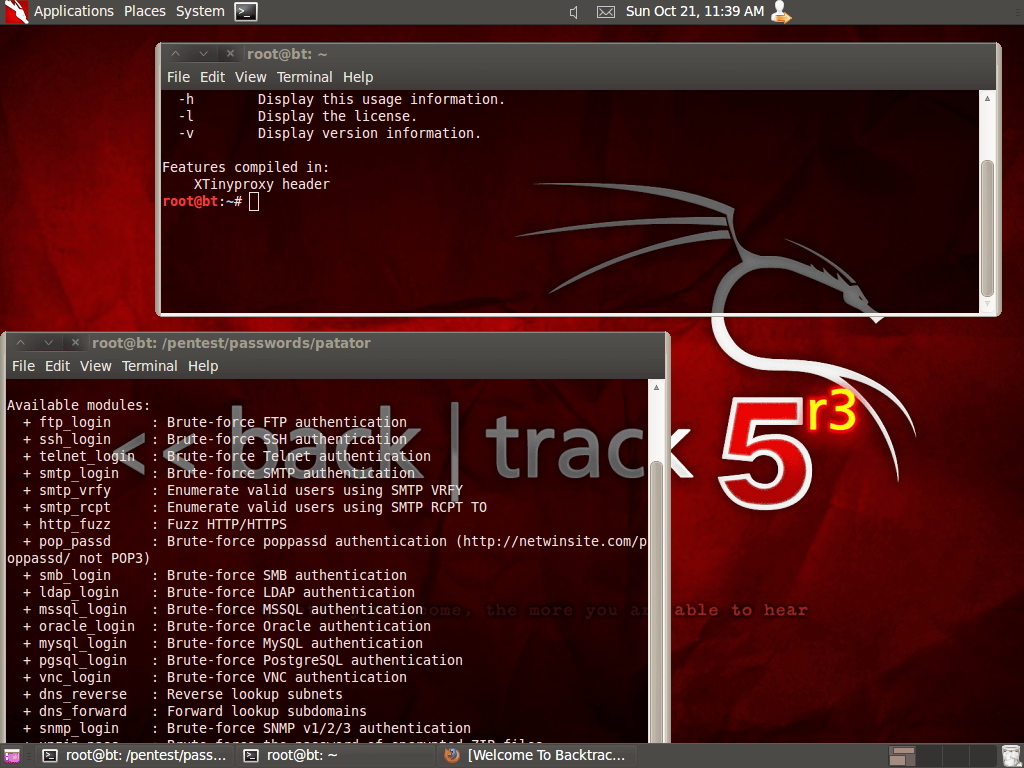
A notable addition in this release is the introduction of “BackTrack mode” within the kali-undercover feature. This mode commemorates the 20th anniversary of BackTrack Linux, Kali’s predecessor, by recreating the visual experience of BackTrack 5. Users can enable it via the interface or by running kali-undercover --backtrack in the terminal, instantly transforming the desktop with legacy wallpapers, color schemes, and window styling.
Kali 2026.1 also expands its toolkit with eight new security programs added to its repositories. These include:
- AdaptixC2, a post-exploitation and adversarial emulation framework
- Atomic-Operator for orchestrating Atomic Red Team tests
- XSStrike, an advanced cross-site scripting scanner
Other additions such as SSTImap, WPProbe, and Fluxion focus on web security testing and social engineering research, while GEF enhances debugging capabilities for GDB, and MetasploitMCP integrates MCP server functionality with the Metasploit Framework.
The update also brings several improvements to Kali NetHunter, the project’s mobile penetration testing platform. Fixes address issues such as WPS scanning bugs, HID permission handling, and navigation inconsistencies. Hardware support has been expanded, including a new Android 16-compatible kernel for the Redmi Note 8 and enhanced wireless functionality on Samsung Galaxy S10 devices through updates to the libnexmonkali library. Additionally, a long-awaited patch enabling wireless packet injection on Qualcomm QCACLD 3.0 chipsets has been introduced, potentially broadening support across a wide range of smartphones.
Users upgrading to Kali 2026.1 are advised to review known issues, particularly if they rely on software-defined radio tools, and to ensure systems are fully updated using the official repositories. As always, downloading images only from trusted sources and verifying checksums remains essential to avoid tampered distributions.



Leave a Reply